
Anúncios
Discover Plants Instantly with Your Smartphone

Explore Now
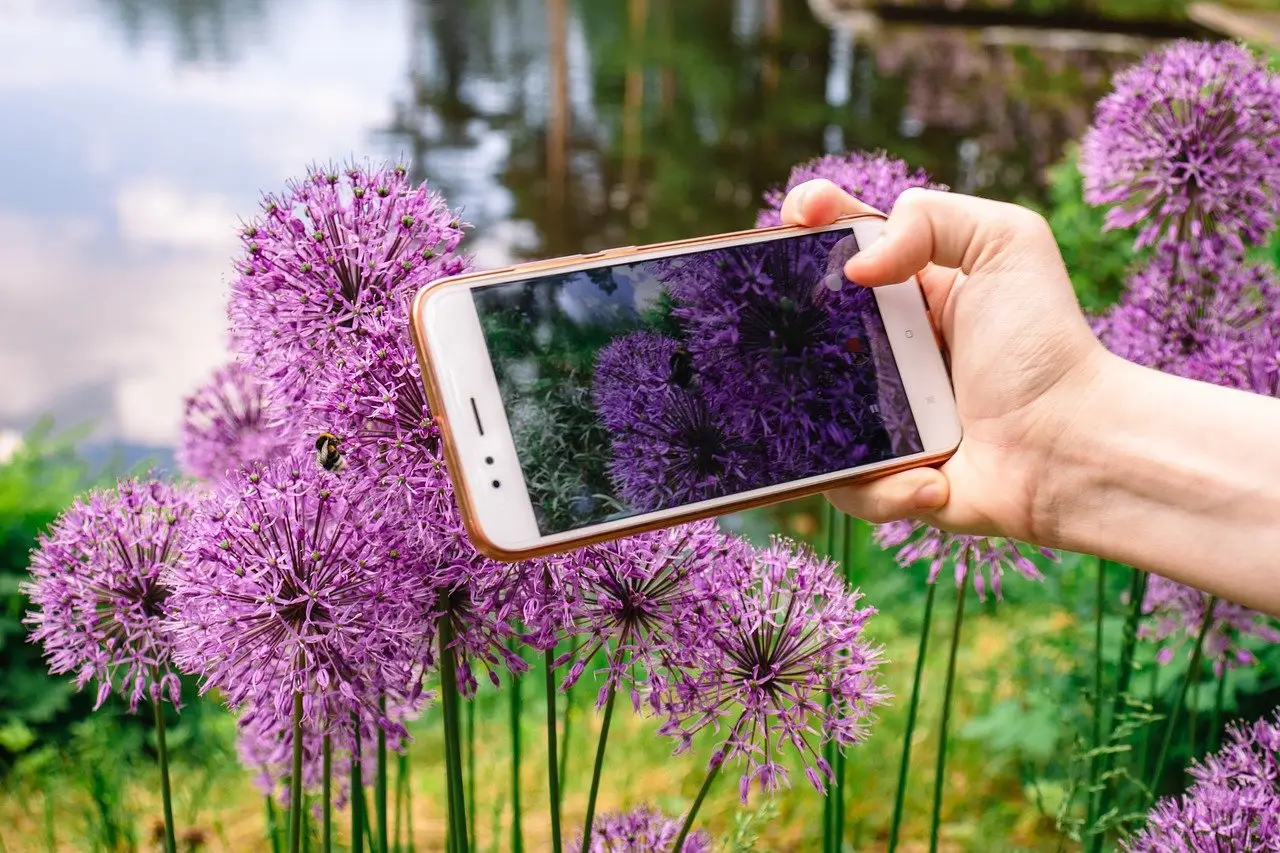
Have you ever walked through a garden, forest, or even your neighborhood and wondered about the name of a beautiful flower or unusual plant? Maybe you’ve wanted to know if that mysterious plant in your backyard is safe for pets, or perhaps you’re simply curious about the botanical world around you. Thanks to modern technology, identifying plants has never been easier or more accessible.
Plant identification apps have revolutionized how we interact with nature, transforming our smartphones into powerful botanical encyclopedias. Whether you’re a gardening enthusiast, a curious hiker, or someone who simply wants to learn more about the green world, these applications offer instant answers at your fingertips. 🌿
Anúncios
Why Plant Identification Apps Are Game-Changers
The traditional method of identifying plants involved carrying heavy field guides, comparing physical characteristics, or consulting with botanists. This process could take hours or even days, and often required specialized knowledge that most people simply didn’t have. Today’s plant identification apps have democratized botanical knowledge in remarkable ways.
These applications use advanced artificial intelligence and machine learning algorithms to analyze plant characteristics from photos taken with your smartphone camera. Within seconds, you can receive detailed information about species, care requirements, toxicity warnings, and even historical or cultural significance. The accuracy rates have improved dramatically, with leading apps now boasting identification success rates above 95% for common species.
Anúncios
Beyond simple identification, these tools have become comprehensive gardening companions. They offer care tips, watering reminders, disease diagnosis, and even connect you with communities of plant lovers worldwide. For educators, students, and researchers, they serve as portable laboratories that make learning about botany engaging and interactive.
Top Features to Look For in Plant Recognition Apps 📱
Not all plant identification applications are created equal. When choosing the right one for your needs, several key features can make a significant difference in your experience and the value you get from the app.
Image Recognition Technology
The heart of any plant identification app is its image recognition capability. The best apps can identify plants from various angles—leaves, flowers, bark, fruit, or even the overall plant structure. Some advanced applications can work with partially obscured images or photos taken in less-than-ideal lighting conditions. Look for apps that allow you to upload multiple photos of the same plant for more accurate identification.
Database Comprehensiveness
The size and quality of an app’s plant database directly impacts its usefulness. Leading applications contain databases with hundreds of thousands of species, covering everything from common houseplants to rare wildflowers. Regional specificity matters too—an app with strong coverage in North America might be less effective in Southeast Asia or Australia. Consider your primary location and the types of plants you’re most likely to encounter.
Offline Functionality
If you plan to use your plant identification app while hiking, camping, or in areas with limited connectivity, offline functionality becomes essential. Some apps allow you to download regional databases for offline use, ensuring you can identify plants even without an internet connection. This feature is particularly valuable for nature enthusiasts and outdoor adventurers.
Additional Information and Resources
Identification is just the beginning. The most valuable apps provide comprehensive information including care instructions, growth patterns, native habitats, medicinal properties, toxicity warnings, and pest management advice. Integration with gardening calendars, watering schedules, and plant health tracking elevates an app from a simple identifier to a complete botanical assistant.
Leading Apps That Bring Botany to Your Pocket 🌺
The marketplace offers numerous plant identification applications, each with unique strengths and specialized features. Let’s explore some of the most popular and effective options available today.
PlantNet: The Community-Powered Solution
PlantNet stands out as a collaborative project developed by scientists from multiple research organizations. This free, open-source application relies on contributions from users worldwide to continuously improve its database and accuracy. The app excels at identifying wild plants and has particularly strong coverage of flora from Europe, North America, and parts of Asia.
What makes PlantNet special is its citizen science approach. When you submit a photo for identification, you’re contributing to a global botanical database that helps researchers track plant distribution and biodiversity. The app organizes plants by organs—flowers, leaves, bark, and fruit—making the identification process more systematic and educational. It’s an excellent choice for nature enthusiasts who want to contribute to scientific knowledge while learning.
iNaturalist: Where Nature Lovers Connect
iNaturalist transcends simple plant identification by creating a vibrant community of naturalists, biologists, and curious observers. This app identifies not just plants but also animals, fungi, and other organisms. The identification process involves both AI technology and community verification, where expert users confirm or correct identifications, ensuring high accuracy.
The social aspect of iNaturalist makes it particularly engaging. You can follow other users, participate in observation challenges, and contribute to scientific research projects. Your observations become part of the Global Biodiversity Information Facility, a resource used by researchers worldwide. For those who enjoy the social dimension of learning and exploration, iNaturalist offers an unmatched experience.
PictureThis: Premium Features with AI Precision
PictureThis has gained immense popularity due to its sleek interface and impressive accuracy. The app claims to identify over 10,000 plant species with more than 98% accuracy. Beyond basic identification, PictureThis offers detailed care guides, pest and disease diagnosis, toxicity information, and personalized gardening tips.
The premium version includes features like plant health assessment, where the AI can diagnose issues from photos of sick or struggling plants. You’ll receive specific treatment recommendations and can track your plant’s recovery over time. The app also offers a “garden” feature where you can organize your plants, set care reminders, and maintain a digital plant journal. While it requires a subscription for full access, many users find the investment worthwhile for the comprehensive features.
Seek by iNaturalist: Perfect for Beginners and Kids
Seek takes the technology behind iNaturalist and packages it in a more gamified, beginner-friendly format. Designed with families and children in mind, this completely free app encourages outdoor exploration through challenges and badges. The identification process is simplified, making it less intimidating for those new to botany or technology.
Unlike its parent app, Seek doesn’t require account creation or photo uploads, addressing privacy concerns for parents. The app works entirely on-device, processing images locally without sending them to servers. This makes it faster and more privacy-conscious. Educational features include species information pages written in accessible language and augmented reality features that make learning interactive and fun. 🎯
PlantSnap: Comprehensive Global Coverage
PlantSnap boasts one of the largest databases available, claiming coverage of over 625,000 plants from around the world. This extensive database makes it particularly useful for travelers or those working with exotic species. The app’s algorithm has been trained on millions of images, resulting in quick and generally accurate identifications.
Beyond identification, PlantSnap includes a social networking component where users can share their discoveries, follow other plant enthusiasts, and build collections. The app automatically records the location of your identifications, creating a personal map of your botanical discoveries. This feature appeals to collectors and those documenting plant distribution. While some features require a premium subscription, the basic identification service is quite robust.
How These Apps Actually Work Behind the Scenes 🔬
Understanding the technology powering plant identification apps helps you use them more effectively and appreciate their capabilities and limitations. The process involves several sophisticated steps that happen in mere seconds.
When you take a photo of a plant, the app’s algorithm first isolates the plant from the background, focusing on relevant botanical features. It then analyzes characteristics like leaf shape, vein patterns, flower structure, color variations, and texture. These features are converted into mathematical representations that can be compared against the app’s database.
Most modern apps use convolutional neural networks, a type of artificial intelligence particularly effective at image recognition. These networks have been “trained” on millions of plant images, learning to recognize patterns that distinguish one species from another. The more images the AI has seen during training, and the more users contribute through corrections and confirmations, the more accurate the system becomes.
Some advanced apps employ ensemble methods, running multiple algorithms simultaneously and comparing results to improve accuracy. They may also factor in geographic location, seasonality, and habitat type to narrow down possibilities. When the AI is uncertain, it typically provides several possible matches with confidence ratings, allowing you to make the final determination based on detailed descriptions.
Maximizing Accuracy: Tips for Better Identifications 📸
While these apps are remarkably powerful, following best practices significantly improves identification accuracy and helps you get the most from these tools.
Photograph Multiple Parts: Take clear photos of different plant components—leaves from both top and bottom, flowers from various angles, bark texture, and overall plant structure. Many apps allow multiple image uploads, and this comprehensive approach dramatically improves accuracy.
Ensure Good Lighting: Natural daylight produces the best results. Avoid harsh shadows, extreme backlighting, or dim conditions. If photographing indoors, position the plant near a window or use supplemental lighting to reveal true colors and details.
Focus and Clarity Matter: Ensure your camera focuses properly on the plant. Blurry images confuse identification algorithms. Take a moment to steady your hand or use your phone’s focusing features before capturing the image.
Fill the Frame: Get close enough that the plant feature occupies most of the photo frame. Excessive background clutter can confuse the algorithm. If photographing a specific feature like a flower, zoom in to capture details clearly.
Consider Context: Note where you found the plant—garden, forest, wetland, or desert. This environmental context helps narrow possibilities. Many apps allow you to add location information, which improves identification accuracy by limiting suggestions to species known in that region.
Cross-Reference Results: When an app provides multiple possibilities, read the descriptions carefully and compare with your actual plant. Look for distinguishing characteristics mentioned in the descriptions. Using multiple apps and comparing results can also increase confidence in your identification.
Beyond Identification: Practical Applications 🌻
Plant identification apps have evolved into multi-functional tools that support various activities and interests beyond simple species recognition.
Gardening and Plant Care
For gardeners, these apps function as comprehensive care guides. After identifying a plant, you receive specific information about water requirements, light preferences, soil conditions, fertilization schedules, and common pests. Many apps offer personalized reminders based on your local climate and the specific needs of plants in your collection. This feature helps both experienced gardeners optimize care and beginners avoid common mistakes.
Safety and Toxicity Warnings
One of the most important practical applications is identifying potentially dangerous plants. Parents with young children and pet owners particularly benefit from quickly determining if a plant is toxic. Many apps flag poisonous species and provide information about symptoms and necessary actions if ingestion occurs. This feature has genuine life-saving potential.
Foraging and Edible Plant Identification
Interest in foraging wild edibles has grown significantly, and plant identification apps support this activity. However, exercise extreme caution—never consume any wild plant based solely on app identification. Use apps as a starting point, then verify with multiple sources and expert guidance before consuming any foraged plant. The consequences of misidentification can be severe.
Education and Nature Study
Teachers and students find these apps invaluable for outdoor education and biology lessons. They transform nature walks into interactive learning experiences where students actively engage with their environment. The immediate feedback and detailed information make botanical concepts more tangible and memorable than textbook learning alone.
Conservation and Citizen Science
Many apps contribute observations to scientific databases used in conservation research. Your plant identifications help scientists track species distribution, monitor invasive species spread, and understand how climate change affects plant ranges. This citizen science aspect gives your casual observations genuine scientific value.
Limitations and Considerations ⚠️
While plant identification apps are remarkably capable, understanding their limitations prevents misuse and disappointment.
Accuracy varies significantly based on image quality, plant condition, and species rarity. Common ornamental plants and widespread wildflowers typically identify reliably, while rare species, regional variants, or plants in poor condition may challenge even the best apps. Young plants without distinctive features, or plants outside their flowering period, can be particularly difficult to identify accurately.
Database coverage isn’t uniform globally. Apps developed in North America or Europe often have more comprehensive databases for those regions but may struggle with Asian, African, or South American flora. Check app descriptions for information about regional coverage before relying on them in specific locations.
Hybrid cultivars and recently developed varieties may not appear in databases, as most apps focus on naturally occurring species. If you’re trying to identify a garden center purchase or ornamental variety, you might receive only the genus or a close relative rather than the specific cultivar name.
Privacy considerations matter for some users. Apps that upload photos to cloud servers for processing may store your images and location data. Review privacy policies if this concerns you, and consider apps that process images locally on your device when privacy is a priority.
The Future of Plant Recognition Technology 🚀
Plant identification technology continues to evolve rapidly, with exciting developments on the horizon that will make these tools even more powerful and accessible.
Augmented reality integration is becoming more sophisticated, with apps overlaying identification information directly onto your camera view in real-time. This creates an immersive experience where simply pointing your camera at a plant instantly displays its name and key information without needing to capture and process a photo.
Improved AI models trained on larger datasets are pushing accuracy rates even higher, particularly for difficult identifications like juvenile plants, plants in adverse conditions, or partial plant material. Some research projects are exploring multi-modal approaches that combine visual data with other inputs like habitat conditions or associated species to improve accuracy.
Integration with other technologies promises enhanced functionality. Imagine apps that combine plant identification with soil testing results, weather forecasting, and personalized care algorithms to provide predictive insights about your garden’s needs. Health monitoring features using computer vision could detect diseases or nutrient deficiencies before they become visible to the human eye.
Specialized databases continue to develop for specific plant groups or uses. Apps focused exclusively on medicinal plants, native species, invasive species monitoring, or specific ecosystems like wetlands or alpine environments offer depth that generalist apps cannot match. This specialization trend benefits users with specific interests or professional needs.
Making the Most of Your Plant Exploration Journey 🌿
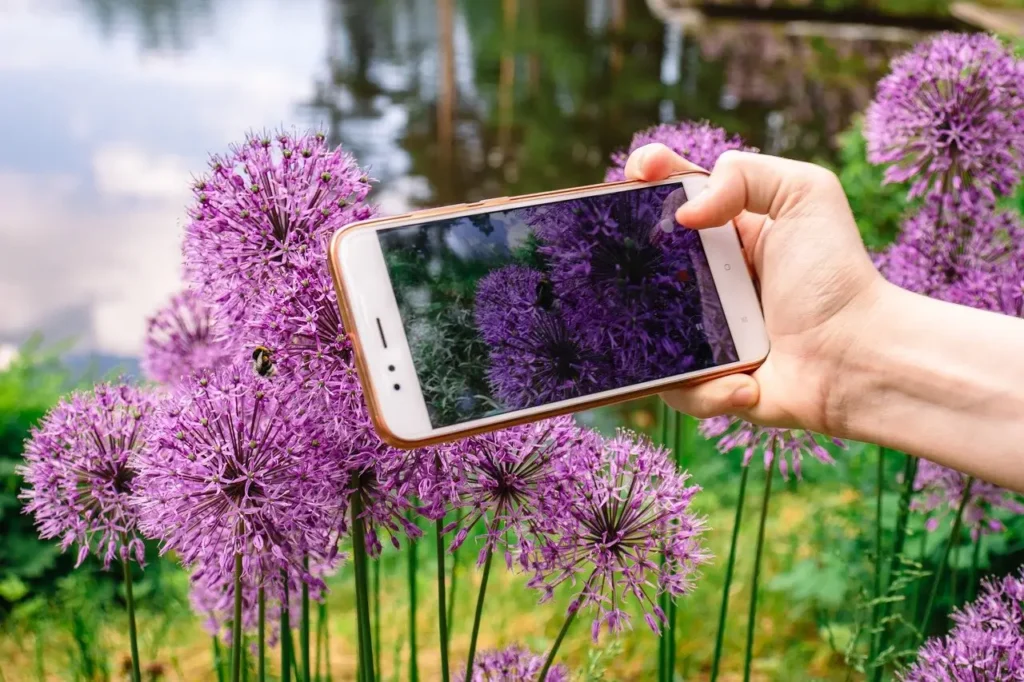
Plant identification apps open doors to deeper engagement with the natural world around you. They transform every walk into an opportunity for discovery and learning. Whether you’re identifying that mysterious vine growing on your fence, ensuring the safety of plants around your pets, or simply satisfying curiosity about the flowers blooming in your neighborhood, these digital tools make botanical knowledge accessible to everyone.
The best approach often involves using multiple apps, as each has strengths with different plant groups or regions. Start with a free option like PlantNet or Seek to explore the basics, then consider premium features if you develop deeper interests in gardening, foraging, or botanical study. Join the community aspects of apps like iNaturalist to connect with others who share your curiosity and can offer guidance as you learn.
Remember that these apps are tools to enhance, not replace, direct observation and traditional learning. Take time to notice the details they highlight—the way leaves attach to stems, how flowers are structured, the patterns of bark and branching. This attention to detail enriches your experience and builds genuine botanical knowledge that transcends any single technology.
As you explore the capabilities of plant identification apps, you’ll likely find they change how you see your environment. That patch of “weeds” becomes a collection of distinct species, each with its own story. Your garden transforms from a collection of “plants” into a diverse community of species with specific needs and characteristics. The natural world becomes more knowable, more fascinating, and more connected to your daily life. That transformation—from seeing generic greenery to recognizing individual species—is the true gift these remarkable applications offer. 🌸
