
Anúncios
Simple Home Exercises to Strengthen Your Knees
Start Today
Knee pain affects millions of people worldwide, limiting their daily activities and reducing their quality of life. Whether you’re dealing with chronic discomfort, recovering from an injury, or simply experiencing occasional stiffness, the good news is that you don’t need expensive gym memberships or complicated equipment to find relief. 💪
The right exercises performed consistently at home can strengthen the muscles surrounding your knee joint, improve flexibility, and significantly reduce pain levels. Let’s explore practical, evidence-based movements that you can incorporate into your daily routine starting today.
Anúncios
Understanding Why Your Knees Hurt
Before diving into exercises, it’s essential to understand what might be causing your knee discomfort. The knee is one of the most complex joints in your body, bearing significant weight and stress during everyday movements. Common causes of knee pain include arthritis, previous injuries, muscle imbalances, excess body weight, and improper movement patterns during activities.
Weak quadriceps, hamstrings, or hip muscles often contribute to knee problems because these muscle groups work together to stabilize and support the knee joint. When one area is weak, other structures compensate, leading to strain and pain. The exercises outlined below target these key muscle groups to create a balanced, supportive framework around your knees. 🎯
Anúncios
Essential Warm-Up: Preparing Your Knees for Exercise
Never skip your warm-up! Gentle preparation increases blood flow to your muscles and joints, making them more pliable and reducing injury risk. Start with 5-10 minutes of light activity such as marching in place, gentle leg swings, or slow walking around your home.
Follow this with some ankle circles and knee circles. For knee circles, stand with feet together, place your hands on your knees, and make small circular motions—10 circles in each direction. This simple movement lubricates the joint and awakens the surrounding tissues.
Straight Leg Raises: Building Quadriceps Strength
This foundational exercise targets your quadriceps muscles without bending the knee, making it ideal for those experiencing significant pain. Lie on your back with one leg bent (foot flat on the floor) and the other leg straight. Tighten the thigh muscle of your straight leg and lift it to the height of your bent knee, keeping it completely straight throughout the movement.
Hold the raised position for 3-5 seconds, then slowly lower back down. Perform 10-15 repetitions on each leg, completing 2-3 sets. As you get stronger, you can add ankle weights to increase resistance. This exercise is particularly effective because it isolates the quadriceps while minimizing stress on the knee joint itself. ✨
Wall Sits: Endurance and Stability
Wall sits build strength and endurance in your quadriceps, glutes, and core—all crucial for knee support. Stand with your back against a wall, feet shoulder-width apart and about two feet from the wall. Slowly slide down until your thighs are parallel to the floor (or as low as comfortable), as if sitting in an invisible chair.
Hold this position for 15-30 seconds initially, gradually increasing to 60 seconds or more as your strength improves. Keep your knees aligned over your ankles, not extending past your toes. Perform 3-5 repetitions with 30-60 seconds of rest between each hold. This isometric exercise builds remarkable stability without requiring joint movement.
Step-Ups: Functional Strength Development
Step-ups mimic real-life movements like climbing stairs, making them highly functional for daily activities. Use a sturdy step, box, or even your bottom stair at home. Start with a low height (4-6 inches) and progress gradually.
Step up with your right foot, pressing through your heel to lift your body. Bring your left foot up to meet the right, then step back down with control. Perform 10-15 repetitions leading with the right leg, then switch to leading with the left. Complete 2-3 sets on each side.
Focus on controlled movements rather than speed. Your knee should track over your second toe throughout the movement, never collapsing inward. This exercise strengthens your quadriceps, glutes, and improves balance—all essential for knee health. 🏔️
Hamstring Curls: Balancing the Back of Your Legs
Strong hamstrings balance the force of your quadriceps, preventing muscular imbalances that contribute to knee pain. Stand behind a sturdy chair, holding it for support. Bend one knee, bringing your heel toward your buttocks in a smooth, controlled motion.
Hold the contracted position for 2-3 seconds, then slowly lower your foot back to the starting position. Perform 10-15 repetitions on each leg for 2-3 sets. As you progress, add ankle weights or resistance bands around your ankles for increased difficulty.
This exercise can also be performed lying face-down on the floor, which some people find more comfortable. The key is maintaining control throughout the movement and feeling the contraction in the back of your thigh.
Clamshells: Strengthening Hip Stabilizers
Many people underestimate the connection between hip strength and knee health. Weak hip abductors and external rotators allow the knee to collapse inward during movement, creating excessive stress. Clamshells specifically target these crucial hip stabilizers.
Lie on your side with your hips and knees bent at approximately 45 degrees, feet together. Keeping your feet touching, raise your top knee as high as comfortable without rotating your pelvis backward. Hold for 2 seconds at the top, then slowly lower.
Perform 15-20 repetitions on each side for 2-3 sets. You should feel this exercise in the outside of your hip. For added resistance, place a small resistance band around your thighs just above your knees. Strong hips create stable knees! 💪
Heel and Toe Raises: Ankle and Calf Strength
The muscles of your lower leg play an important supporting role in knee function. Stand near a wall or counter for light support. For calf raises, lift up onto your toes, hold for 2 seconds, then slowly lower. Perform 15-20 repetitions.
For toe raises, keep your heels on the ground and lift your toes and forefoot upward, working the muscles on the front of your shin. Hold for 2 seconds and lower. Complete 15-20 repetitions. Perform 2-3 sets of each exercise.
These movements improve ankle stability and strengthen the kinetic chain that supports your knee during walking, running, and other activities. They’re simple but remarkably effective when performed consistently. 🦵
Bridge Exercise: Activating Your Glutes
Strong glutes are fundamental for knee health because they control hip movement and alignment. The bridge exercise effectively activates these powerful muscles. Lie on your back with knees bent and feet flat on the floor, hip-width apart. Your feet should be close enough that you can barely touch your heels with your fingertips.
Press through your heels and lift your hips toward the ceiling, creating a straight line from your knees to your shoulders. Squeeze your glutes at the top and hold for 3-5 seconds before slowly lowering. Perform 12-15 repetitions for 2-3 sets.
Avoid arching your lower back excessively—the movement should come from your hips. For variation, try single-leg bridges, which dramatically increase the challenge and build unilateral strength that translates directly to improved knee stability.
Seated Knee Extension: Controlled Strengthening
This exercise allows precise control and is excellent for those with moderate to severe knee pain. Sit in a sturdy chair with your back supported and feet flat on the floor. Slowly straighten one leg, lifting your foot until your leg is parallel to the floor (or as high as comfortable).
Flex your foot toward your shin and hold the extended position for 3-5 seconds, really focusing on contracting your quadriceps. Slowly lower back to the starting position. Complete 10-15 repetitions on each leg for 2-3 sets.
This controlled environment reduces fear and allows you to work through a pain-free range of motion while building strength. Add ankle weights when the exercise becomes too easy. 🎯
Side-Lying Leg Lifts: Lateral Hip Strengthening
Strengthening the lateral hip muscles prevents knee valgus (inward collapse), a common contributor to knee pain. Lie on your side with your legs straight and stacked on top of each other. Support your head with your lower arm.
Keeping your top leg straight and your foot flexed, lift it toward the ceiling about 12-18 inches. Hold for 2 seconds, then slowly lower. Ensure your hips remain stacked and don’t roll backward. Perform 12-15 repetitions on each side for 2-3 sets.
This simple movement targets the gluteus medius, a crucial stabilizer that keeps your knee tracking properly during walking, running, and single-leg activities. Consistency with this exercise yields impressive results in knee comfort and stability.
Creating Your Personal Knee Strengthening Routine
Now that you understand individual exercises, it’s time to create a structured routine. For beginners, start with 3-4 exercises performed 3 times per week on non-consecutive days. A sample routine might include:
- 5-minute warm-up
- Straight leg raises (2 sets of 12 reps each leg)
- Wall sits (3 holds of 20-30 seconds)
- Bridges (2 sets of 15 reps)
- Clamshells (2 sets of 15 reps each side)
- Gentle stretching (5 minutes)
As you progress, gradually add more exercises, increase repetitions, or add resistance. Listen to your body—some muscle soreness is normal, but sharp or increasing knee pain means you should modify or stop the exercise. ⚠️
Timing and Progression: Building Sustainable Strength
Consistency matters more than intensity, especially when managing knee pain. Commit to your routine for at least 4-6 weeks before expecting significant results. During this time, track your progress by noting pain levels, range of motion, and daily functional abilities.
Progress your exercises gradually using these principles:
- Increase repetitions before adding weight
- Perfect your form before progressing difficulty
- Add only one progression variable at a time
- Take rest days seriously—muscles strengthen during recovery
- Adjust exercises that cause pain rather than pushing through discomfort
A typical progression timeline might look like this: weeks 1-2 focus on learning proper form with basic variations; weeks 3-4 increase repetitions by 25-50%; weeks 5-6 add light resistance or more challenging variations. Patient progression prevents setbacks and builds lasting strength. 📈
Complementary Strategies for Maximum Relief
While exercises form the foundation of knee pain management, complementary strategies enhance your results. Maintain a healthy body weight, as every pound of excess weight places approximately four pounds of additional pressure on your knees during activities.
Apply ice after exercising if you experience inflammation or swelling—15-20 minutes wrapped in a thin towel works well. Use heat before exercise to improve tissue pliability if you experience stiffness. Stay hydrated, as your joints require adequate fluid for optimal function.
Consider low-impact cardiovascular activities like swimming, cycling, or elliptical training to build endurance without excessive knee stress. These activities complement your strengthening routine and improve overall leg function. 🏊♀️
When to Seek Professional Guidance
Home exercises provide tremendous benefits for many people with knee pain, but certain situations require professional evaluation. Consult a healthcare provider if you experience severe, sudden pain; significant swelling; inability to bear weight; obvious deformity; pain accompanied by fever; or pain that doesn’t improve after 4-6 weeks of consistent home exercise.
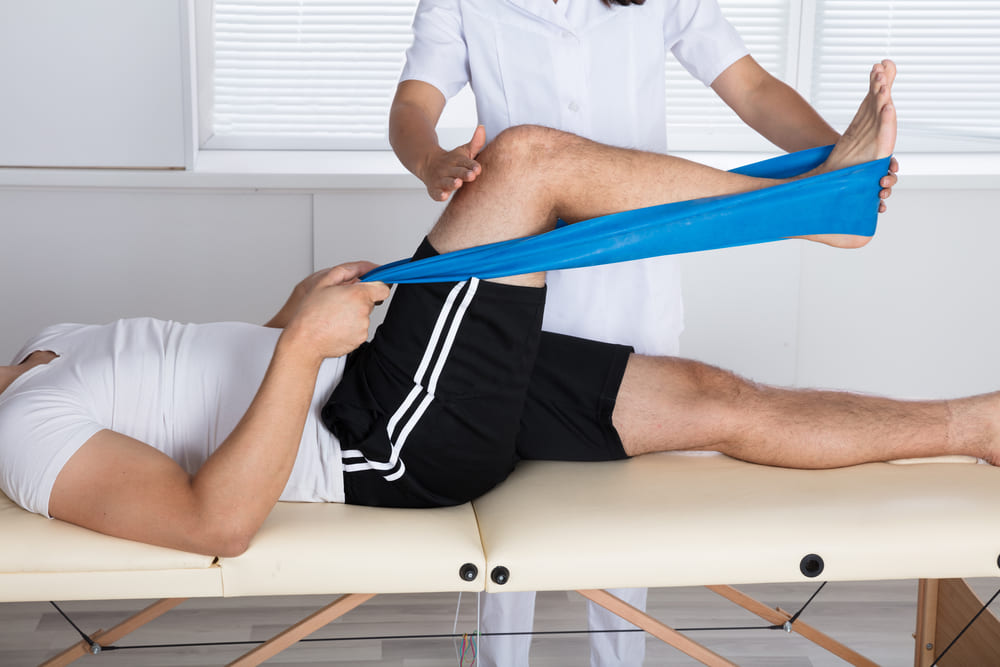
Physical therapists can assess your specific movement patterns, identify muscular imbalances, and create personalized programs addressing your unique needs. Sometimes imaging studies are necessary to rule out structural damage requiring different treatment approaches.
Long-Term Knee Health: Beyond Exercise
Building strong knees extends beyond your exercise routine. Practice proper body mechanics during daily activities—bend from your hips and knees when lifting, avoid twisting while carrying loads, and take breaks during prolonged standing or walking.
Choose supportive footwear appropriate for your activities. Worn-out shoes alter your movement patterns and increase knee stress. Replace athletic shoes every 300-500 miles of use, and ensure daily shoes provide adequate arch support and cushioning.
Develop mobility in your ankles and hips through regular stretching. Tight calves, hip flexors, or IT bands create compensatory patterns that stress your knees. Spend 5-10 minutes daily on gentle stretching—your knees will thank you for this investment! 🧘♀️
Staying Motivated on Your Journey
Managing knee pain through exercise requires commitment, but the rewards—reduced pain, improved function, and greater independence—make the effort worthwhile. Set realistic, specific goals like “walk for 20 minutes without pain” or “climb stairs without holding the railing.”
Track your progress in a simple journal, noting exercises completed, pain levels, and functional improvements. Celebrate small victories—they compound into significant transformations. Find an accountability partner or join online communities focused on knee health for support and encouragement.
Remember that setbacks occasionally happen and don’t negate your progress. If you miss workouts or experience increased pain, simply adjust and continue forward. The path to healthier knees isn’t perfectly straight, but persistent effort consistently moves you toward your goals. Your commitment to these exercises represents an investment in your long-term mobility, independence, and quality of life. Keep moving forward—stronger, pain-free knees are within your reach! 🌟
