
Anúncios
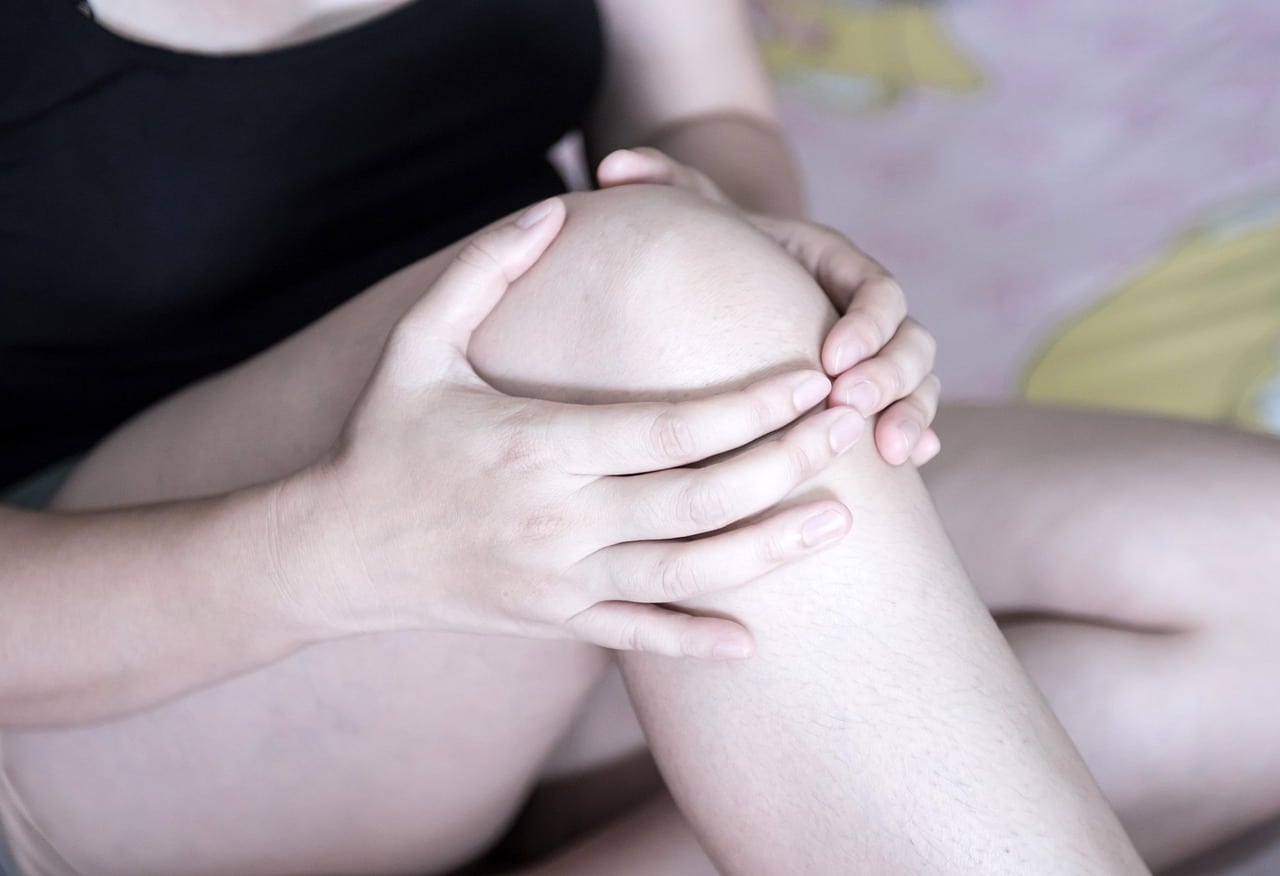
Understanding and Overcoming Knee Pain

Get Relief Now
Knee pain is one of the most common complaints affecting people of all ages, from athletes pushing their physical limits to seniors navigating daily activities. This discomfort can range from a mild annoyance to a debilitating condition that significantly impacts quality of life, limiting mobility and preventing you from enjoying your favorite activities.
Whether your knee pain stems from an injury, arthritis, overuse, or underlying medical conditions, understanding its root causes and exploring effective treatment strategies can help you reclaim your mobility and live pain-free. Let’s dive deep into the world of knee pain management and discover practical solutions that actually work. 🦵
Anúncios
What’s Really Causing Your Knee Pain?
Before you can effectively treat knee pain, it’s essential to understand what’s triggering your discomfort. The knee is a complex joint that bears significant weight and facilitates movement, making it vulnerable to various types of injuries and conditions.
Common causes include ligament injuries like ACL tears, meniscus damage, tendinitis, bursitis, osteoarthritis, rheumatoid arthritis, patellofemoral pain syndrome, and even issues originating from your hips or feet. Sometimes, the pain you feel in your knee isn’t actually a knee problem at all—it’s referred pain from another area of your body.
Anúncios
Acute Injuries vs. Chronic Conditions
Acute knee injuries typically result from sudden trauma—a sports collision, awkward landing, or fall. These injuries often announce themselves with immediate pain, swelling, and sometimes a popping sound. On the other hand, chronic knee conditions develop gradually over time, often due to repetitive stress, aging, or degenerative processes.
Recognizing whether your pain is acute or chronic helps determine the most appropriate treatment approach. Acute injuries might require immediate medical attention and possibly surgery, while chronic conditions often respond well to conservative treatments and lifestyle modifications.
Warning Signs You Shouldn’t Ignore ⚠️
Not all knee pain requires an emergency room visit, but certain symptoms demand prompt medical evaluation. If you experience any of the following, it’s time to see a healthcare professional:
- Severe pain that prevents you from bearing weight on your leg
- Obvious deformity in your knee or leg
- Significant swelling that appears rapidly
- Inability to fully extend or flex your knee
- A popping sensation followed by immediate instability
- Fever accompanying knee pain and swelling (possible infection)
- Redness and warmth in the knee joint
- Pain that persists despite home treatment for several weeks
These warning signs could indicate serious conditions like fractures, ligament tears, infections, or blood clots that require immediate intervention to prevent long-term complications.
Proven Strategies to Eliminate Knee Pain
The good news is that most knee pain responds well to treatment, especially when addressed early. Here’s a comprehensive approach to managing and eliminating knee discomfort.
The RICE Protocol: Your First Line of Defense
For acute injuries or sudden pain flare-ups, the RICE protocol remains the gold standard for initial treatment:
Rest: Avoid activities that aggravate your knee pain. This doesn’t mean complete immobilization—gentle movement is beneficial—but avoid high-impact activities until the pain subsides.
Ice: Apply ice packs for 15-20 minutes every 2-3 hours during the first 48-72 hours after injury. This reduces inflammation and numbs pain. Always place a thin cloth between the ice and your skin to prevent frostbite.
Compression: Use an elastic bandage or compression sleeve to reduce swelling. Ensure it’s snug but not so tight that it cuts off circulation—you should be able to slip two fingers underneath comfortably.
Elevation: Keep your knee raised above heart level whenever possible, especially during the first few days after injury. This helps reduce swelling by allowing fluid to drain away from the joint. 🛋️
Physical Therapy: Rebuilding Strength and Mobility
Physical therapy is arguably the most effective non-surgical treatment for knee pain. A skilled physical therapist will assess your specific condition and design a personalized exercise program targeting your unique needs.
Strengthening exercises focus on the muscles supporting your knee—particularly the quadriceps, hamstrings, and hip muscles. Stronger muscles provide better joint stability and reduce stress on the knee itself. Flexibility exercises improve range of motion and prevent stiffness, while balance training reduces fall risk and improves functional movement patterns.
Consistency is key with physical therapy. Most people see significant improvement within 6-12 weeks when they diligently follow their prescribed exercise program. Don’t expect overnight miracles—healing takes time and patience.
Strategic Weight Management
If you’re carrying extra weight, losing even a modest amount can dramatically reduce knee pain. Research shows that for every pound of body weight lost, there’s a four-pound reduction in knee joint stress during walking. That means losing just 10 pounds reduces knee stress by 40 pounds with each step! 💪
Weight loss doesn’t have to be dramatic or rapid. Sustainable, gradual weight reduction through balanced nutrition and appropriate exercise (that doesn’t aggravate your knee) provides the best long-term results.
Medication Options: What Works and What Doesn’t
Various medications can help manage knee pain, each with its own benefits and limitations.
Over-the-Counter Solutions
Non-steroidal anti-inflammatory drugs (NSAIDs) like ibuprofen and naproxen reduce both pain and inflammation. They’re particularly effective for arthritis-related knee pain. However, long-term use can cause gastrointestinal issues and increase cardiovascular risk, so use them as directed and consult your doctor about extended use.
Acetaminophen (Tylenol) reduces pain but doesn’t address inflammation. It’s gentler on the stomach than NSAIDs and may be preferable for people with certain health conditions.
Topical NSAIDs and creams containing capsaicin or menthol can provide localized relief without the systemic side effects of oral medications. These work best for pain close to the skin surface.
Prescription Treatments
For severe pain, your doctor might prescribe stronger medications, including corticosteroid injections directly into the knee joint. These provide powerful anti-inflammatory effects but should be used sparingly, as repeated injections can damage joint tissue.
Hyaluronic acid injections (viscosupplementation) supplement the natural fluid in your knee, potentially providing months of pain relief for osteoarthritis. Results vary significantly between individuals, and these injections aren’t suitable for everyone.
Lifestyle Modifications That Make a Real Difference 🌟
Sometimes the most powerful treatments aren’t found in a pill bottle or operating room—they’re woven into your daily habits and choices.
Choose Knee-Friendly Activities
High-impact activities like running, jumping, and contact sports place tremendous stress on your knees. If you’re experiencing knee pain, consider switching to low-impact alternatives that maintain fitness without aggravating your joints.
Swimming and water aerobics provide excellent cardiovascular exercise with virtually no joint stress. The water’s buoyancy supports your body weight while resistance strengthens muscles. Cycling keeps knees moving through their range of motion without impact stress, and elliptical machines offer a running-like workout without the pounding.
Walking remains one of the best exercises for overall health, but invest in proper footwear with adequate cushioning and support. Avoid uneven terrain if it causes discomfort.
Ergonomic Adjustments
Your environment significantly impacts knee stress. If your work involves prolonged standing, use anti-fatigue mats and take regular sitting breaks. For desk jobs, ensure your chair height allows your feet to rest flat on the floor with knees bent at 90 degrees.
Avoid prolonged kneeling or squatting. If these positions are unavoidable, use knee pads and take frequent breaks to straighten your legs and restore circulation.
The Right Footwear Matters
Your shoes directly affect knee alignment and stress distribution. Worn-out shoes with inadequate support force your knees to compensate, potentially causing or worsening pain.
Replace athletic shoes every 300-500 miles of use. Look for shoes with good arch support, adequate cushioning, and appropriate fit for your foot type. If you have flat feet or high arches, consider custom orthotics prescribed by a podiatrist—these can significantly reduce knee stress by improving lower limb alignment. 👟
Alternative and Complementary Therapies
Many people find relief through treatments outside conventional medicine. While scientific evidence varies, these approaches have helped countless individuals manage knee pain.
Acupuncture
This ancient Chinese practice involves inserting thin needles at specific body points. Research suggests acupuncture can effectively reduce osteoarthritis knee pain, possibly by stimulating natural pain-relieving chemicals in the body and improving blood flow to affected areas.
Massage Therapy
Therapeutic massage reduces muscle tension around the knee, improves circulation, and promotes relaxation. It’s particularly beneficial when knee pain involves muscle imbalances or trigger points in surrounding tissues.
Supplements and Natural Remedies
Glucosamine and chondroitin supplements are popular for osteoarthritis, though research results are mixed. Some people experience significant relief, while others notice no benefit. Omega-3 fatty acids from fish oil have anti-inflammatory properties that may help reduce joint pain. Turmeric (curcumin) shows promise as a natural anti-inflammatory, with some studies suggesting it’s as effective as NSAIDs for arthritis pain.
Always consult your healthcare provider before starting any supplement regimen, as they can interact with medications and aren’t appropriate for everyone.
When Surgery Becomes the Best Option
Most knee pain improves with conservative treatment, but sometimes surgery is necessary to restore function and eliminate pain. Common surgical procedures include:
Arthroscopic surgery: Minimally invasive procedures using small incisions and a tiny camera allow surgeons to remove damaged cartilage, repair meniscus tears, or reconstruct ligaments. Recovery is typically faster than with open surgery.
Partial knee replacement: When arthritis affects only one section of the knee, surgeons can replace just the damaged portion while preserving healthy tissue and bone.
Total knee replacement: For advanced arthritis causing severe pain and disability, total knee replacement involves replacing damaged knee surfaces with metal and plastic components. Modern techniques and materials have made this surgery highly successful, with most replacements lasting 15-20 years or longer.
Surgery should be considered only after exhausting conservative treatments, but don’t wait so long that your quality of life becomes severely compromised. Discuss the timing with your orthopedic surgeon. 🏥
Building a Prevention Strategy for Long-Term Knee Health
Once you’ve overcome knee pain, focus on prevention to keep it from returning. A proactive approach protects your knees for years to come.
Maintain Strong Supporting Muscles
Continue strength training exercises even after pain resolves. Strong quadriceps, hamstrings, glutes, and core muscles provide ongoing knee protection. Include exercises like squats, lunges, leg presses, hamstring curls, and hip strengthening moves in your regular routine.
Stay Flexible
Regular stretching maintains range of motion and prevents muscle tightness that can alter knee mechanics. Focus on stretching quadriceps, hamstrings, calves, and hip flexors. Hold each stretch for 30 seconds, and stretch after exercise when muscles are warm.
Use Proper Technique
Whether exercising, playing sports, or performing physical work, proper form protects your knees. Land from jumps with bent knees, keep knees aligned over toes during squats and lunges, and avoid twisting movements that combine knee rotation with weight-bearing.
Consider working with a personal trainer or coach to ensure you’re using correct technique for your activities.
Creating Your Personal Knee Pain Recovery Plan 📋
Every person’s knee pain is unique, requiring a tailored approach. Here’s how to develop your personalized recovery strategy:
Step 1: Get an accurate diagnosis. See a healthcare professional to identify the specific cause of your knee pain. This might involve physical examination, X-rays, MRI, or other diagnostic tests.
Step 2: Set realistic goals. Define what success looks like for you. Is it returning to your favorite sport? Walking without pain? Climbing stairs comfortably? Clear goals guide your treatment decisions and help measure progress.
Step 3: Implement appropriate treatments. Based on your diagnosis, combine relevant treatments from those discussed—RICE protocol, physical therapy, medications, lifestyle modifications, and potentially alternative therapies.
Step 4: Track your progress. Keep a pain journal noting pain levels, activities that increase or decrease discomfort, and treatment effectiveness. This information helps you and your healthcare provider adjust your plan as needed.
Step 5: Be patient and consistent. Knee pain rarely disappears overnight. Commit to your treatment plan for at least several weeks before evaluating its effectiveness. Consistency matters more than intensity.
Step 6: Know when to adjust. If your pain worsens or doesn’t improve after 6-8 weeks of consistent treatment, consult your healthcare provider. You may need a different approach or more advanced interventions.
Living Well Beyond Knee Pain
Overcoming knee pain isn’t just about eliminating discomfort—it’s about reclaiming your life and the activities you love. Whether you’re an athlete eager to return to competition, a parent who wants to play with your children, or a retiree hoping to travel and explore, healthy knees open doors to possibilities.
The journey from pain to recovery requires patience, commitment, and often a multifaceted approach combining various treatments and lifestyle changes. What works for one person might not work for another, so be prepared to experiment and adjust your strategy.
Remember that setbacks are normal. You might experience occasional pain flare-ups even after significant improvement. These don’t mean failure—they’re simply reminders to listen to your body, rest when needed, and maintain the healthy habits that brought you relief in the first place.
Your knees have carried you through life’s adventures, and with proper care and attention, they can continue to do so for many years to come. Take action today to address your knee pain, and you’ll be amazed at how much better life feels when you can move freely and comfortably once again. 🎯
Don’t let knee pain hold you back any longer. Whether you start with simple home remedies or seek professional help, taking that first step toward relief is the most important decision you can make. Your future self—walking pain-free, active, and engaged with life—will thank you for the commitment you make today to your knee health and overall wellbeing.
