
Anúncios
Best Sleep Tracking Apps for Better Rest

Track Your Sleep Now
Quality sleep is one of the most underrated pillars of health, yet millions of people struggle with poor rest every night. In our fast-paced, always-connected world, understanding our sleep patterns has become essential for maintaining physical and mental well-being. This is where sleep monitoring apps come into play, offering powerful insights into what happens during those precious hours of rest.
These innovative applications use advanced technology to analyze your sleep cycles, detect disturbances, and provide actionable recommendations for improvement. Whether you’re dealing with insomnia, curious about your sleep quality, or simply want to optimize your rest, there’s a sleep tracking app designed to meet your needs. Let’s explore the world of sleep monitoring technology and discover how these digital tools can transform your nights. 😴
Anúncios
Why Sleep Monitoring Matters More Than You Think
Sleep isn’t just about feeling refreshed—it’s a complex biological process that affects every system in your body. During sleep, your brain consolidates memories, your immune system strengthens, and your body repairs damaged tissues. Poor sleep quality has been linked to numerous health issues, including cardiovascular disease, obesity, diabetes, and mental health disorders.
Traditional methods of assessing sleep relied on subjective reports or expensive sleep studies in clinical settings. Sleep monitoring apps have democratized this process, making it accessible to anyone with a smartphone. These apps can detect patterns you might not notice yourself, such as frequent wake-ups, restless periods, or irregular sleep schedules that undermine your rest quality.
Anúncios
By tracking metrics like sleep duration, sleep stages, heart rate, and movement, these applications provide a comprehensive picture of your sleep health. This data becomes invaluable when identifying problems, testing solutions, and measuring progress over time. 📊
How Sleep Tracking Technology Actually Works
Most sleep monitoring apps use one or more technological approaches to gather data about your sleep. Understanding these mechanisms helps you choose the right app for your needs and interpret the results accurately.
Accelerometer-Based Tracking
The most common method uses your smartphone’s built-in accelerometer to detect movement during the night. When you place your phone on the mattress near you, it can sense when you toss, turn, or remain still. The app analyzes these movement patterns to estimate sleep stages—deep sleep typically involves minimal movement, while light sleep and REM stages show more activity.
This approach is convenient because it requires no additional hardware, but it has limitations. Movement alone doesn’t provide a complete picture of sleep stages, and the accuracy depends on proper phone placement. Still, for general sleep quality tracking and pattern recognition, accelerometer-based apps offer valuable insights.
Sound Analysis Technology
Some apps utilize your phone’s microphone to monitor environmental sounds and detect snoring, sleep talking, coughing, or other nocturnal noises. Advanced algorithms filter out irrelevant sounds and focus on those relevant to sleep quality. This feature proves particularly useful for people who suspect they snore or have sleep apnea.
Sound-based tracking can also measure ambient noise levels in your bedroom, helping you identify environmental factors that might disrupt your sleep. Combined with movement tracking, this dual approach provides richer data about your sleep environment and behaviors. 🔊
Wearable Integration
Many sleep apps integrate with wearable devices like smartwatches and fitness trackers. These wearables offer more sophisticated sensors, including heart rate monitors, blood oxygen sensors, and even EEG technology in some cases. Wearables remain in contact with your body throughout the night, providing continuous biometric data that phones cannot capture.
Heart rate variability, for instance, serves as an excellent indicator of sleep stages. Your heart rate naturally decreases during deep sleep and becomes more variable during REM sleep. Wearables capture these subtle changes, resulting in more accurate sleep stage detection than movement-based tracking alone.
Top Features to Look for in Sleep Monitoring Apps
Not all sleep tracking apps are created equal. When choosing an application, consider which features align with your goals and preferences. Here are the key capabilities that distinguish exceptional sleep monitors from basic offerings:
- Sleep Stage Analysis: Breaking down your night into light, deep, REM, and awake periods provides insight into sleep quality beyond simple duration.
- Smart Alarm: Waking you during light sleep phases within a specified window helps you feel more refreshed than waking from deep sleep.
- Sleep Score: A consolidated metric that summarizes your overall sleep quality makes it easy to track improvements.
- Snore Detection: Recording and analyzing snoring can reveal potential health issues and help you test remedies.
- Sleep Trends: Long-term data visualization shows patterns across weeks and months, helping identify factors that improve or worsen sleep.
- Environmental Monitoring: Tracking room temperature, noise levels, and light can highlight external sleep disruptors.
- Sleep Debt Tracking: Calculating cumulative sleep deficits helps you understand when you need extra rest.
- Personalized Insights: AI-powered recommendations based on your specific patterns add actionable value.
The Science Behind Sleep Stages and What They Mean
To truly benefit from sleep monitoring apps, understanding what the data represents is crucial. Sleep occurs in predictable cycles, each serving distinct biological functions.
Light Sleep: Your Gateway to Rest
Light sleep comprises about 50-60% of your total sleep time. During this stage, your body temperature drops, breathing becomes regular, and muscles relax. While it’s easier to wake from light sleep, it still provides essential restoration. Think of it as the transition zone between wakefulness and deeper rest.
Sleep apps identify light sleep through moderate movement and heart rate patterns. Spending too much time in light sleep without progressing to deeper stages may indicate sleep quality issues worth investigating. ✨
Deep Sleep: The Restoration Phase
Deep sleep, also called slow-wave sleep, represents the most restorative sleep stage. During this phase, your brain waves slow dramatically, blood pressure drops, and growth hormone releases to repair tissues. Your immune system strengthens, and metabolic waste clears from your brain—a process linked to reduced Alzheimer’s risk.
Most people need about 15-25% of their sleep to be deep sleep. Sleep apps show minimal movement and lowest heart rates during these periods. Factors like alcohol consumption, stress, and poor sleep hygiene can reduce deep sleep percentages, impacting how rested you feel.
REM Sleep: Where Dreams Happen
Rapid Eye Movement (REM) sleep is when most vivid dreams occur. Your brain becomes highly active, processing emotions and consolidating memories. Paradoxically, your muscles become temporarily paralyzed to prevent you from acting out dreams—a protective mechanism called REM atonia.
REM typically accounts for 20-25% of sleep and occurs in longer periods toward morning. Sleep apps detect REM through increased movement (from eye movements) and heart rate variability. Inadequate REM sleep affects mood, creativity, and learning ability. 💭
Popular Sleep Monitoring Apps and What Makes Them Unique
The market offers dozens of sleep tracking applications, each with distinctive features and approaches. Here’s an overview of some leading options to help you navigate the choices:
Sleep Cycle: The Smart Alarm Pioneer
Sleep Cycle built its reputation on the intelligent alarm feature that wakes you during light sleep. The app uses sound analysis and accelerometer data to track sleep patterns without requiring wearables. Its extensive sleep statistics and long-term trend analysis appeal to data enthusiasts. The premium version includes snore detection, sleep notes for tracking factors affecting sleep, and comparison features to see how your sleep stacks up against others in your age group.
SleepScore: Science-Backed Precision
Developed with insights from sleep research organizations, SleepScore uses advanced sonar technology—similar to echolocation—to monitor breathing patterns and movements without physical contact. You simply place your phone on the nightstand, and the app does the rest. Its comprehensive sleep scoring system and personalized improvement recommendations make it ideal for people serious about optimizing their sleep. The extensive sleep advice library provides evidence-based strategies for better rest.
AutoSleep: The Apple Watch Companion
AutoSleep exclusively serves Apple Watch users, leveraging the device’s sensors to automatically track sleep without manual activation. It analyzes heart rate, movement, and even respiratory rate to provide detailed sleep analysis. The app’s strength lies in its comprehensive data presentation and lack of subscription fees—you pay once and own it permanently. For Apple ecosystem users, it represents excellent value and seamless integration with Apple Health. 🍎
Sleep as Android: Powerful and Versatile
This Android-exclusive app packs an impressive array of features, including sleep tracking, smart alarms, snore recording, sleep talk recording, and even integration with smart lights and wearables. Its CAPTCHA wake-up challenges ensure you’re truly awake before dismissing the alarm—options include math problems, QR code scanning, or shaking the phone. The app’s customizability and affordable pricing make it a favorite among Android users seeking comprehensive sleep management.
Maximizing the Benefits of Your Sleep Tracking App
Downloading an app is just the beginning. To truly improve your sleep quality, you need to actively engage with the data and implement changes based on your findings.
Establish Consistent Tracking Habits
Track your sleep every night for at least two weeks before drawing conclusions. Sleep patterns vary naturally, and isolated nights don’t reveal meaningful trends. Consistency in tracking allows your app to establish your personal baseline and identify genuine deviations from normal patterns.
Set up your app properly—ensure your phone is charged, positioned correctly, and that do-not-disturb settings won’t interfere with tracking. For wearable-based apps, wear your device comfortably but securely throughout the night.
Experiment and Document Variables
Many apps include notes or tagging features to record factors that might affect sleep. Document variables like caffeine consumption, exercise timing, stress levels, alcohol intake, and pre-bed activities. Over time, you’ll identify patterns connecting these factors to your sleep quality.
Try changing one variable at a time and observe the results for several nights. This systematic approach helps isolate what truly impacts your sleep rather than making multiple changes simultaneously and wondering which one worked. 🔬
Act on the Insights Provided
Data without action provides little value. Review your sleep trends weekly and identify areas for improvement. If your app shows insufficient deep sleep, research strategies specifically targeting that stage—reducing evening screen time, lowering bedroom temperature, or establishing a relaxing pre-bed routine might help.
Many apps provide personalized recommendations based on your data. Take these suggestions seriously and implement them consistently. Track whether changes improve your sleep metrics, and adjust your approach accordingly.
Understanding the Limitations of Sleep Apps
While sleep monitoring apps offer valuable insights, they’re not medical devices and have important limitations. Understanding these constraints helps you use the technology appropriately and know when to seek professional help.
Consumer sleep apps generally show 70-85% accuracy in detecting sleep versus wake states, but their sleep stage classification is less precise—typically 60-75% accurate compared to gold-standard polysomnography used in sleep labs. They can miss brief awakenings and sometimes misclassify sleep stages, particularly distinguishing between light and REM sleep.
These apps cannot diagnose sleep disorders like sleep apnea, narcolepsy, or periodic limb movement disorder. If you consistently feel exhausted despite apparently adequate sleep, experience loud snoring with breathing pauses, or have other concerning symptoms, consult a sleep medicine specialist rather than relying solely on app data. 🏥
Addressing Common Sleep Issues Through Monitoring
Sleep tracking apps excel at revealing patterns behind common sleep complaints. Here’s how monitoring can help address specific issues:
Difficulty Falling Asleep
If your app shows long periods between bedtime and sleep onset, the data might reveal contributing factors. Check whether screens, caffeine timing, or stress patterns correlate with worse sleep latency. Many people discover they fall asleep faster on nights when they exercise or follow consistent pre-bed routines.
Frequent Night Wakings
Apps tracking environmental factors can identify whether noise, temperature fluctuations, or other disturbances coincide with wake episodes. You might discover your neighbor’s early morning routine wakes you, or that your bedroom gets too warm at 3 AM. Armed with this knowledge, you can address the root causes rather than wondering why you keep waking up.
Feeling Unrefreshed Despite Sleeping
When sleep duration seems adequate but you still feel tired, examining sleep stage distribution provides clues. Insufficient deep or REM sleep, or too many brief awakenings that fragment sleep continuity, might explain your fatigue. This insight directs you toward solutions specifically targeting sleep quality rather than just duration. ⚡
Privacy and Data Security Considerations
Sleep tracking apps collect intimate data about your daily patterns, health, and home environment. Before entrusting an app with this information, consider its privacy practices.
Review the app’s privacy policy to understand what data it collects, how it’s used, whether it’s shared with third parties, and how long it’s retained. Premium apps with transparent business models (selling the app rather than your data) often offer better privacy than free apps monetized through data sharing or advertising.
Consider whether the app stores data locally on your device or syncs it to cloud servers. Local storage provides greater privacy but limits access from multiple devices. Cloud storage offers convenience but requires trust in the company’s security measures.
For sensitive situations, look for apps that offer anonymous usage options or allow you to export and delete your data. Your sleep patterns reveal information about your daily schedule, health status, and lifestyle—information worth protecting. 🔒
Integrating Sleep Tracking with Overall Health Management
Sleep doesn’t exist in isolation—it’s deeply connected to diet, exercise, stress management, and overall health. The most powerful approach combines sleep tracking with holistic health monitoring.
Many sleep apps integrate with broader health platforms like Apple Health, Google Fit, or Samsung Health. This integration allows you to see correlations between sleep and other metrics like activity levels, heart rate trends, or calorie intake. You might discover that days with 10,000+ steps correlate with deeper sleep, or that high-stress days (reflected in elevated resting heart rate) precede poor sleep nights.
This comprehensive view enables you to optimize multiple health aspects simultaneously. Better sleep supports more effective workouts, which in turn improve sleep quality—a positive feedback loop that apps help you visualize and leverage. 🔄
The Future of Sleep Monitoring Technology
Sleep tracking technology continues evolving rapidly. Emerging innovations promise even more accurate and actionable insights into our rest patterns.
Advanced wearables now include blood oxygen monitoring to detect breathing irregularities potentially indicating sleep apnea. Some devices measure skin temperature variations throughout the night, providing insights into circadian rhythm alignment. The next generation of sensors may include non-invasive EEG monitoring for clinical-grade sleep stage detection in consumer devices.
Artificial intelligence increasingly powers sleep apps, learning your individual patterns and providing increasingly personalized recommendations. Machine learning algorithms can predict your optimal bedtime based on your schedule, identify subtle pattern changes that might indicate developing health issues, and suggest specific interventions tailored to your unique sleep profile.
Integration with smart home technology allows apps to automatically adjust bedroom conditions for optimal sleep—lowering temperature, adjusting lighting, or activating white noise machines based on your patterns and preferences. This automated optimization removes the guesswork from creating ideal sleep environments. 🚀
Making Peace with Imperfect Sleep
While pursuing better sleep is worthwhile, obsessing over sleep metrics can backfire—a phenomenon researchers call “orthosomnia.” Some people become so anxious about achieving perfect sleep scores that the stress itself impairs their rest.
Use sleep apps as informational tools rather than judgment mechanisms. Occasional poor sleep is normal and doesn’t necessarily indicate a problem. Focus on weekly or monthly trends rather than fixating on individual nights. If tracking your sleep increases anxiety rather than empowerment, consider reducing monitoring frequency or taking breaks.
Remember that how you feel matters more than what the app says. If you wake feeling refreshed and energetic despite suboptimal metrics, trust your body. Conversely, if you feel exhausted despite good scores, something beyond what the app measures might be affecting you. Sleep apps provide valuable guidance, but your subjective experience remains the ultimate measure of sleep quality. 💚
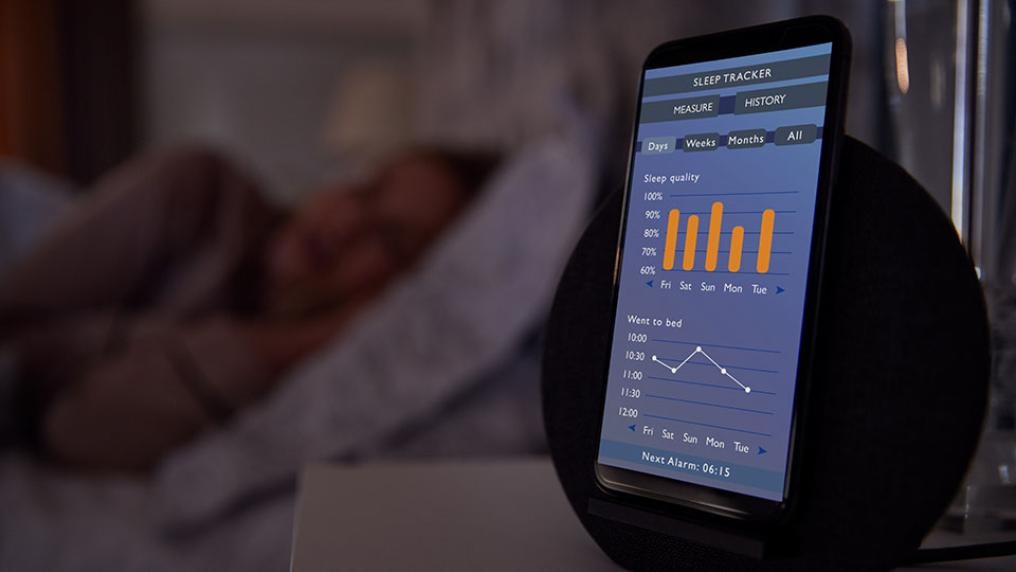
Taking Your First Steps Toward Better Sleep
Ready to start monitoring your sleep? Choose an app that matches your needs and technical setup—whether that’s a simple smartphone-based tracker or a comprehensive wearable-integrated system. Download it tonight and commit to at least two weeks of consistent tracking before evaluating results.
While the app gathers data, start implementing basic sleep hygiene practices: maintain consistent sleep and wake times, create a relaxing pre-bed routine, optimize your bedroom environment for darkness and coolness, and limit screen exposure before sleep. These foundational habits amplify the benefits of any sleep tracking technology.
View your sleep improvement journey as a long-term process rather than a quick fix. Small, consistent changes compound over time, transforming your sleep quality and overall wellbeing. The insights provided by sleep monitoring apps empower you to make informed decisions, test strategies systematically, and finally understand the mysterious third of life we spend sleeping.
Your journey to better rest begins with awareness—and these powerful apps provide exactly that. Sweet dreams and happy tracking! 🌙
