Anúncios
Have you ever stopped to think how amazing it would be to sneak a peek at what the future has in store for you? 🔮
Easy there—I’m not talking about time machines or sci-fi stuff. I’m talking about tarot, an ancient practice that’s gaining more and more space in the modern world.
Escolha suas Cartas do Tarot
Concentre-se em sua pergunta e escolha 10 cartas do baralho sagrado
Anúncios
Clique para
tirar uma carta


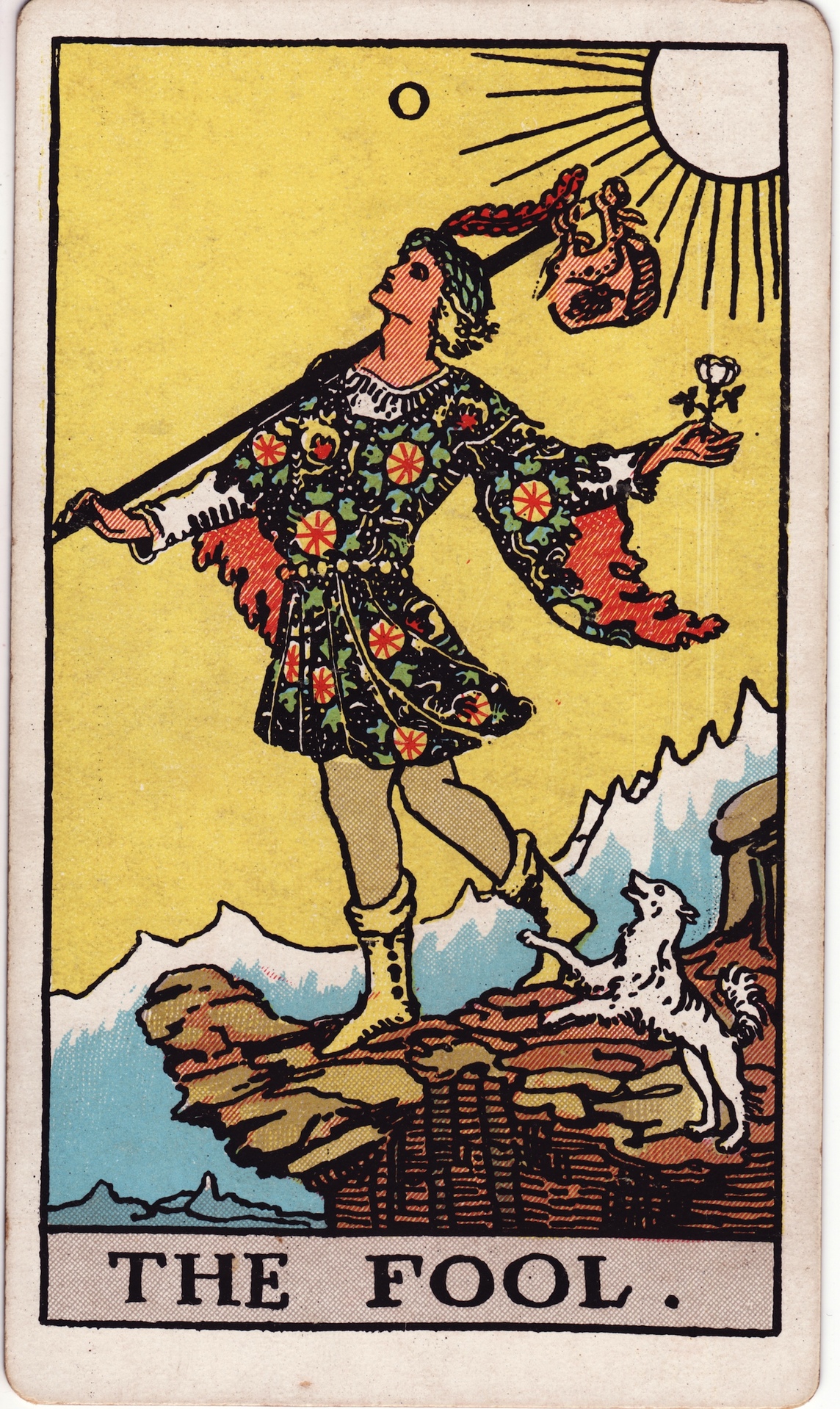

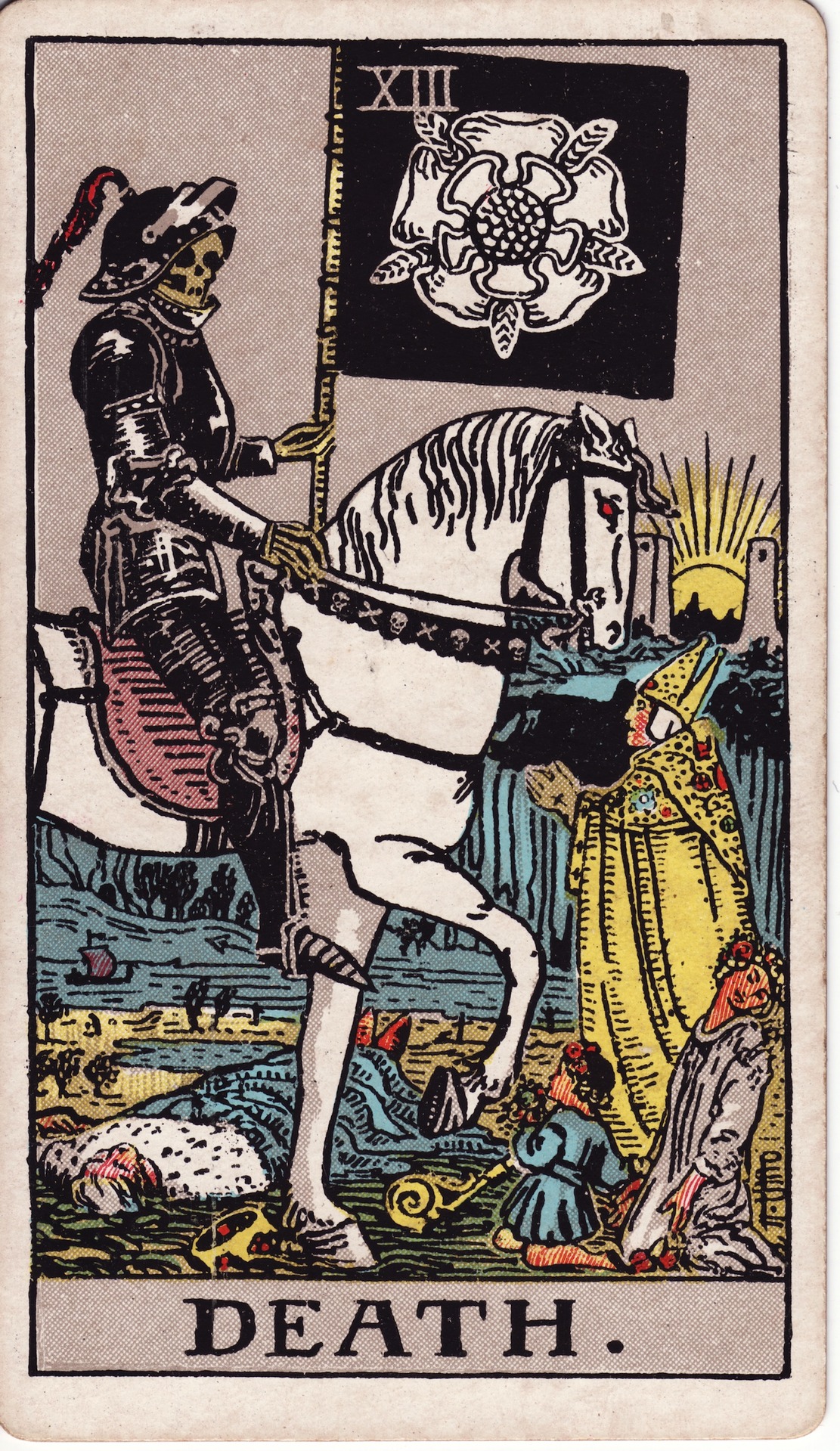


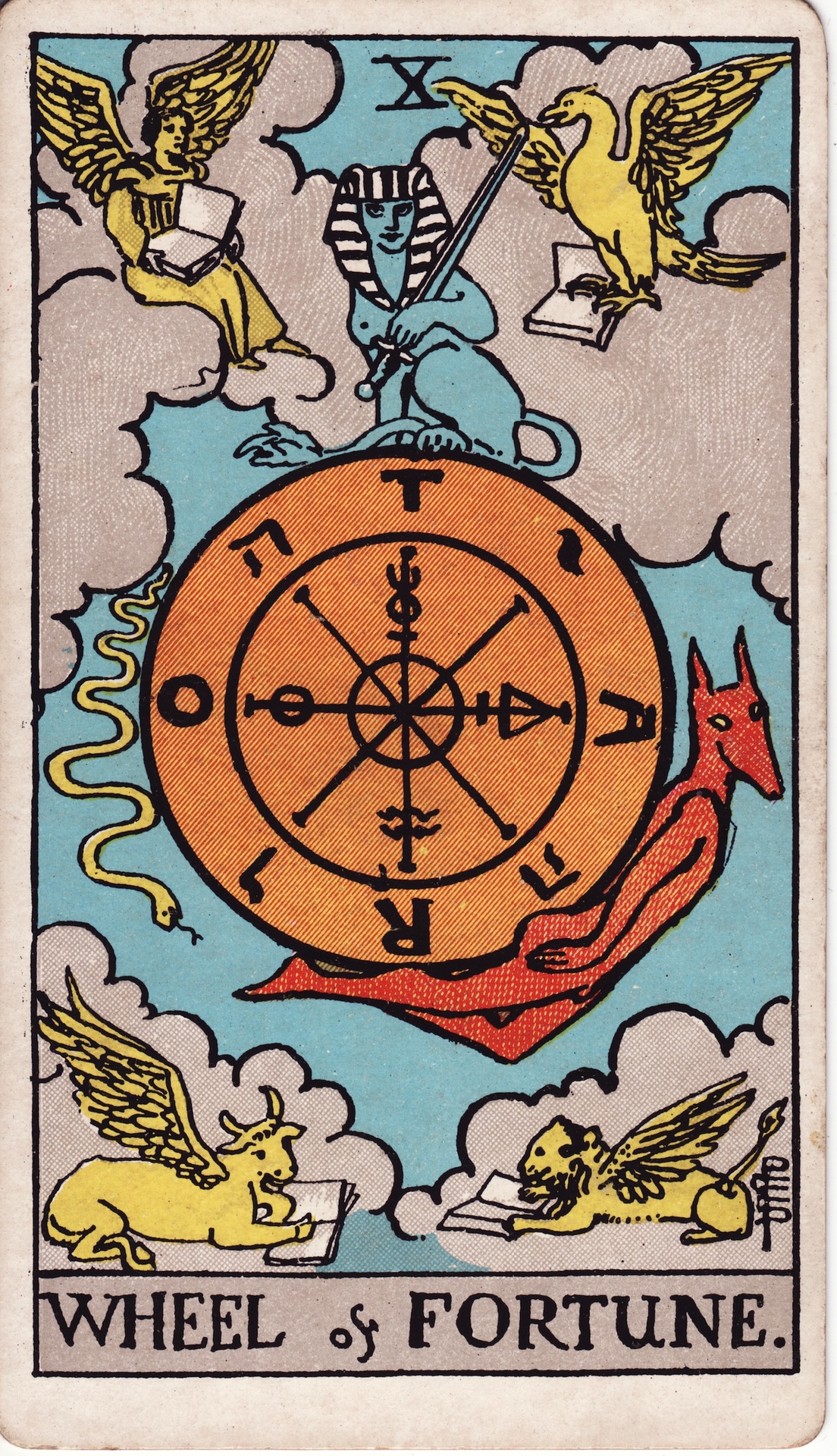


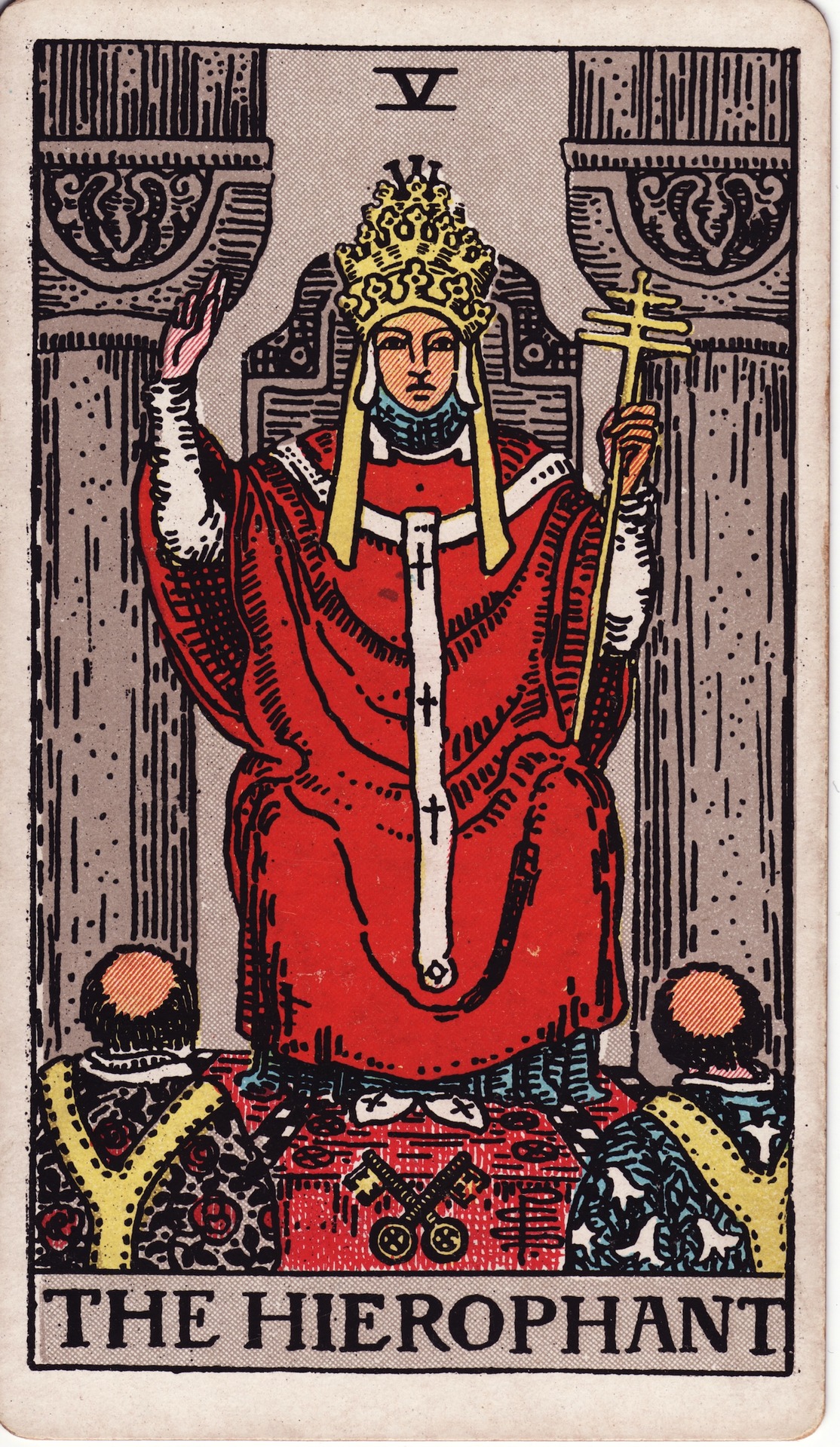


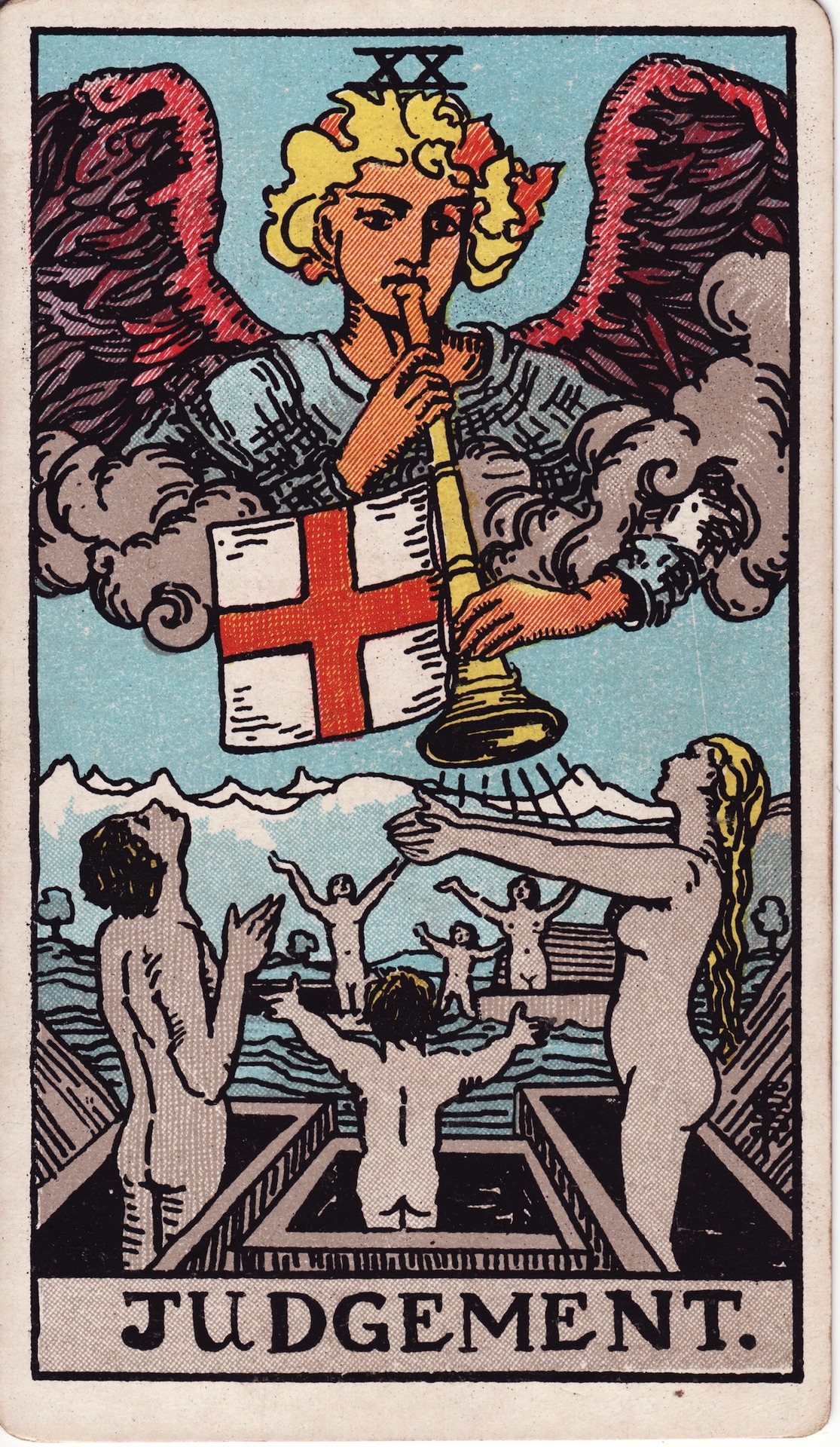


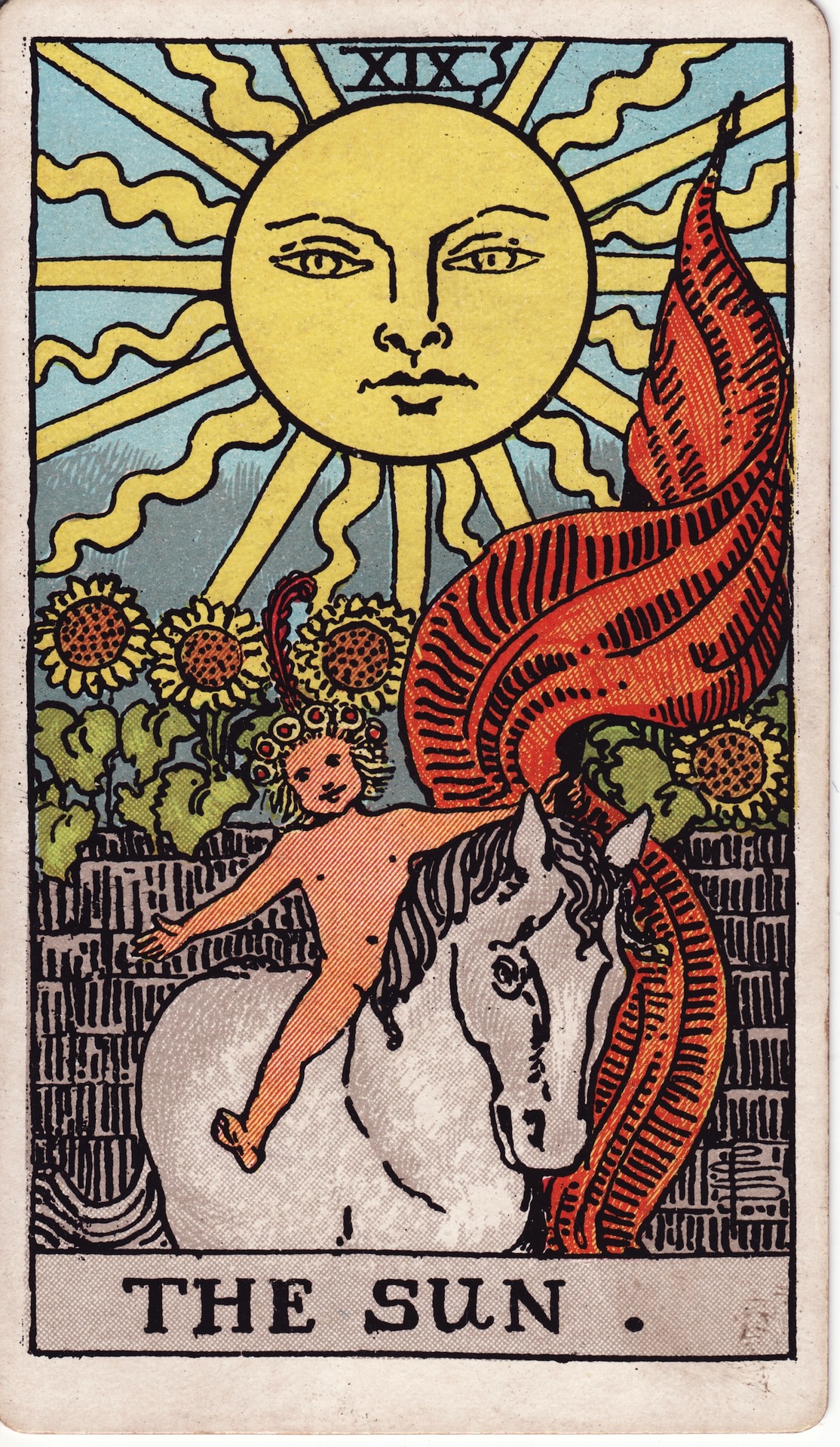
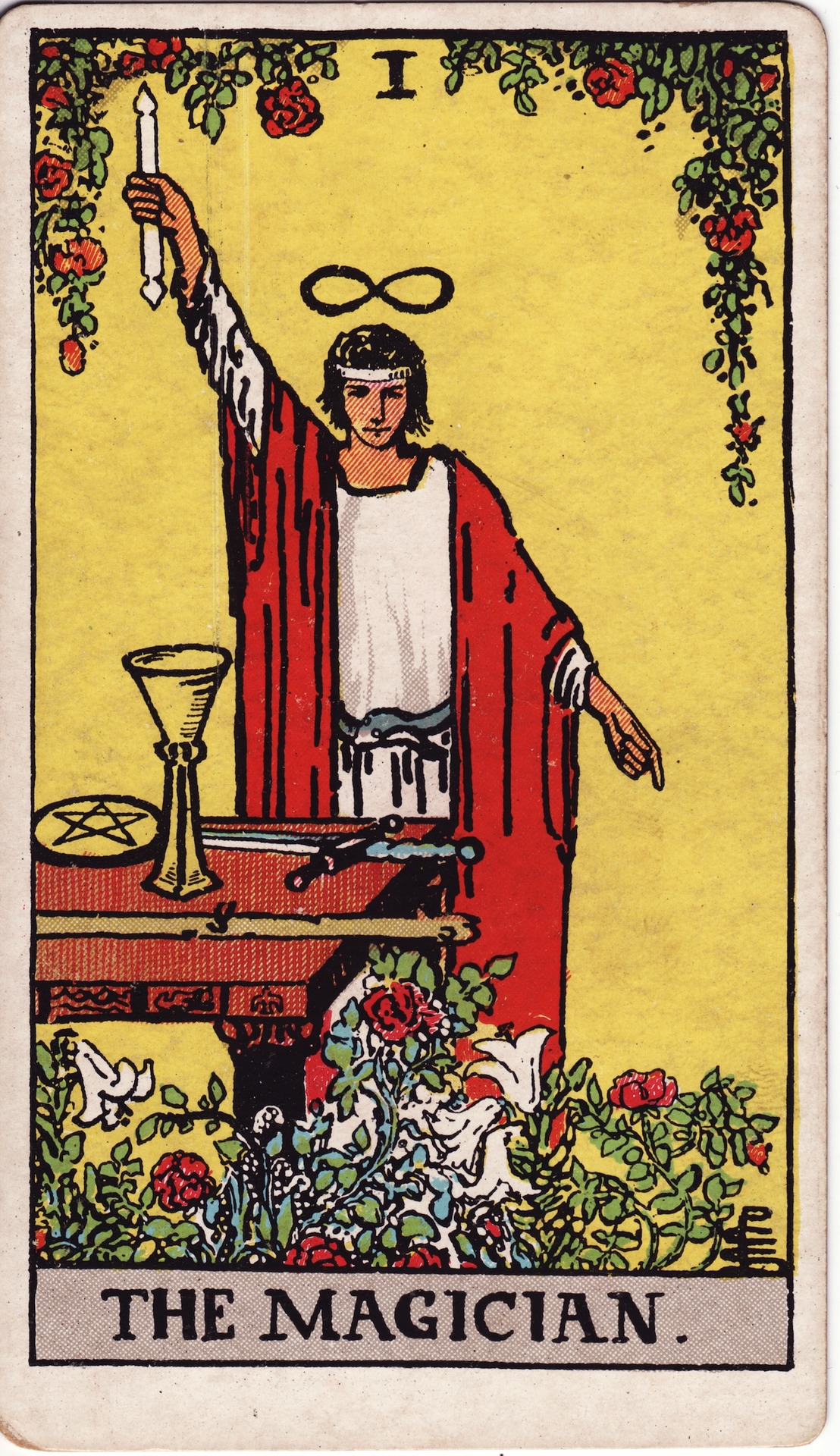
22 cartas restantes
Anúncios
Cartas escolhidas
Suas cartas aparecerão aqui
And the best part: you can do readings online for free! Sounds too good to be true? Stick with me and I’ll show you how this mystical universe works—a mix of self-knowledge, reflection, and that touch of magic we all need in our daily lives.
Before you roll your eyes thinking this is just TV psychic stuff, let me tell you: tarot is much more than random predictions. It’s a powerful self-discovery tool that can help you better understand your dilemmas, choices, and possible paths. And no, you don’t need to spend a fortune on in-person readings to access it.
What Exactly Is Tarot? 🃏
Alright, let’s start with the basics. Tarot is a deck of 78 cards divided into two groups: the Major Arcana (22 cards) and the Minor Arcana (56 cards). Each card carries symbols, meanings, and messages that can be interpreted in different ways depending on the context of the question.
The Major Arcana represent life’s big themes—those decisive and transformative moments. The Minor Arcana deal with everyday situations: relationships, work, and daily challenges. Together, these cards form a complex system that works like a mirror of our psyche.
And look—you don’t need supernatural powers to understand tarot. Sure, intuition helps a lot, but at its core, it’s about recognizing patterns, symbols, and connecting the dots of your own story. It’s almost like therapy—just with colorful cards full of mystical imagery.
Why Do People Seek Tarot Readings?
Let’s be real—life keeps getting more complicated, right? Tough decisions pop up all the time: changing jobs, ending a relationship (or not), taking that trip, investing in a crazy idea. Sometimes we just need a different perspective to organize our thoughts.
That’s where tarot comes in. Not as a crystal ball giving you all the answers, but as a reflection tool. When you do a reading, the cards present scenarios, possibilities, and aspects of a situation you might not have considered.
Some people try tarot out of curiosity, just to see what happens. Others take it seriously and make it part of their self-awareness routine. And that’s totally fine—everyone uses it in their own way.
Main Reasons to Consult Tarot
Clarity in moments of doubt and indecision
Self-knowledge and personal growth
Guidance in romantic relationships
Insights about career and finances
Understanding behavioral patterns
Spiritual connection and deep reflection
Curiosity about possible future paths
How Do Free Online Tarot Readings Work? 💻
Now for the good part: you don’t have to spend money to try it. There are many platforms, apps, and websites offering completely free tarot readings. But how does it actually work?
Usually, you access a website or app, ask a question (or think about a specific situation), and then “shuffle” the cards virtually. The system draws some cards—maybe one, three, or more depending on the method—and shows you their meanings.
Some services provide automated interpretations based on algorithms. Others connect you with professional readers for live sessions. And some combine both—offering a basic automated reading with the option for a deeper consultation later.
Most Common Types of Spreads
There are different ways to perform a tarot reading, each suited for specific types of questions:
One-Card Spread: Perfect for a daily message or a direct answer. Quick, simple, and great for beginners.
Three-Card Spread: Can represent past-present-future or situation-action-outcome. Very popular because it gives a broader view without being too complex.
Celtic Cross: For those who want to go deep! With ten cards, it explores all aspects of a situation: influences, obstacles, possibilities, and likely outcomes.
Relationship Spread: Focused on love matters, exploring both sides’ feelings and the relationship’s potential.
Is It Worth Trusting Free Readings? 🤔
I know what you’re thinking: “If it’s free, it must be bad.” But hold on—not everything free is low quality. Many free readings are offered by skilled professionals as a showcase of their work.
Of course, an automated reading won’t have the same depth as a personalized session with an experienced reader. But if you’re just starting out, free options are perfect. You can test, learn, and see if you connect with it before spending money.
The key is choosing trustworthy platforms. Avoid suspicious sites asking for too much data or pushing miracle products. Check user reviews and make sure the approach feels serious and respectful.
Tarot Apps: Modernizing an Ancient Practice 📱
Technology has transformed everything—and tarot is no exception. Today, there are amazing apps that bring the mystical deck straight to your pocket, allowing readings anytime, anywhere.
These apps usually have beautiful interfaces, detailed explanations of each card, and even journals to track your readings and patterns over time. It’s like having a personal tarot reader available 24/7.
Some apps go further by offering educational content—teaching you how to interpret cards, the history of tarot, and tips to develop your intuition. It’s a super accessible way to learn while practicing.
How to Ask the Right Questions ❓
Here’s a golden tip: the quality of your reading depends heavily on how you ask your questions. Tarot isn’t like Google—you can’t just throw anything at it and expect a clear answer. You need focus.
Avoid yes-or-no questions. Instead of asking “Will I get the job?”, try “What should I know about this job opportunity?” or “How can I better prepare for this interview?” See the difference?
Also, keep an open mind. If you already expect a certain answer, you’ll interpret everything in a biased way. The goal is to genuinely explore different perspectives.
Examples of Well-Formulated Questions
“What do I need to develop to attract healthier relationships?”
“Which aspects of my career deserve more attention right now?”
“How can I overcome this difficult moment?”
“What is blocking my personal growth?”
“What lesson is this situation trying to teach me?”

Tarot and Self-Knowledge: A Powerful Combo 🌟
You know what’s really cool about tarot? It forces you to slow down and think. We live in constant rush, jumping from one thing to another, barely processing what’s happening.
A tarot reading creates a pause. When you reflect on a card’s meaning, you’re doing introspection. You’re asking what those symbols represent in your life, what patterns you see, what emotions come up. It’s basically therapy disguised as a card game.
Many people who use tarot regularly say they become more aware of their choices, emotions, and behaviors. The cards act like a mirror, reflecting parts of ourselves we often ignore.
Breaking Tarot Myths 🎭
Let’s be honest—tarot has a lot of stigma. Some people think it’s a scam, others believe it’s anti-religious, and some fear it attracts bad energy. Time to clear things up.
First: tarot is not a religion. You can be Christian, atheist, Buddhist—whatever—and still use tarot as a reflection tool.
Second: it doesn’t predict a fixed future. The future isn’t set in stone. Tarot shows possibilities based on your current situation. You always have free will.
Third: you don’t need “special powers” to read tarot. Practice and study help, but anyone can learn. It’s like learning a new language.
Safety Tips for Online Readings ⚠️
Not everything online is safe, and tarot is no exception. Here are some important precautions:
Be wary of anyone promising guaranteed results or magical solutions. Tarot isn’t a miracle fix.
Avoid sites asking for excessive personal data. You don’t need sensitive information for a reading.
Don’t base your entire life on tarot. Use it as a complementary tool, not your only guide. Combine it with logic, intuition, and professional advice when needed.
The Connection Between Tarot and Psychology 🧠
This is where it gets interesting. Carl Jung, one of the founders of modern psychology, was fascinated by tarot. He saw the cards as representations of archetypes from the collective unconscious.
That’s why tarot works so well for self-discovery. The imagery triggers associations in your mind, bringing hidden thoughts and feelings to the surface.
Two people can draw the same card and interpret it differently—and both can be right. Each person projects their own experiences and emotions onto the symbols. It works like a psychological projection test.
Developing Your Own Tarot Practice ✨
After trying some free readings, you might want to build your own practice. And no—you don’t need to become a professional reader for that.
Start by learning the basic meanings of the cards. Take it slow. Pay attention to symbols, colors, and the feelings they evoke. Your personal interpretation matters.
Consider keeping a journal. Write down your questions, the cards you drew, and your interpretations. Over time, you’ll notice patterns and deepen your connection with the deck.
The Future of Tarot in the Digital Age 🚀
It’s fascinating how such an ancient practice fits perfectly into modern life. The essence stays the same, but access keeps expanding.
Today, you can get readings via video calls, AI-powered apps, and online communities. The internet has made tarot more accessible than ever.
And the best part: there’s now a global community of tarot enthusiasts. You can share experiences, learn different traditions, and find your own path in thi
