
Anúncios
Free Up Space with the Best Cleaning Apps
Start Cleaning Now
Running out of storage space on your smartphone can be incredibly frustrating. Whether it’s your favorite photos refusing to save, apps crashing unexpectedly, or your device slowing to a crawl, a cluttered phone memory affects everything you do. The good news? You don’t need to be a tech expert to reclaim that precious storage space and boost your phone’s performance.
Memory cleaning apps have become essential tools for smartphone users worldwide. These powerful applications help identify and remove junk files, clear cache data, manage duplicate photos, and optimize system performance with just a few taps. In this comprehensive guide, we’ll explore the best apps available for cleaning your phone’s memory, how they work, and which features matter most for keeping your device running smoothly. 📱✨
Anúncios
Why Your Phone’s Memory Gets Cluttered Over Time
Before diving into solutions, it’s important to understand what’s actually consuming your storage space. Most people assume their photos and videos are the main culprits, but the reality is more complex. Your smartphone accumulates digital debris in various forms throughout daily use.
Cache files are among the biggest space hogs. Every app you use stores temporary data to load faster next time—browser cache, streaming app buffers, social media thumbnails, and more. While individually small, these files collectively consume gigabytes over time. App data also grows substantially as you use applications, storing everything from login credentials to personalized settings and downloaded content.
Anúncios
System files and updates create another layer of clutter. When your operating system updates, old installation files often remain on your device unnecessarily. Similarly, downloaded files you’ve forgotten about, duplicate photos from burst mode, and old message attachments all contribute to the storage crisis many users face.
Top Features to Look for in Memory Cleaning Apps 🔍
Not all cleaning apps are created equal. Some offer comprehensive toolsets while others focus on specific functions. Understanding which features matter most helps you choose the right solution for your needs.
Junk File Detection and Removal
The cornerstone feature of any good cleaning app is its ability to identify and safely remove unnecessary files. Quality apps use intelligent scanning algorithms to distinguish between essential system files and removable junk. They should target cache files, temporary data, residual files from uninstalled apps, and obsolete APK files without compromising your device’s functionality.
Look for apps that provide clear categorization of what they’re removing. Transparency matters—you should always know what’s being deleted before confirming the action. The best cleaning apps also offer customizable scanning options, allowing you to exclude certain apps or file types from cleanup operations.
Duplicate File Management
Duplicate photos and files are storage space vampires. Between automatic cloud backups, messaging apps, and accidental downloads, you likely have multiple copies of the same content scattered across your device. Advanced cleaning apps include duplicate detection features that scan your media library and identify identical or similar files.
Premium apps use sophisticated comparison algorithms that can detect near-duplicates—photos taken in burst mode that are almost identical, for example. The interface should allow easy preview and selection, letting you choose which versions to keep and which to delete.
App Management Capabilities
Some of your installed apps might be taking up far more space than you realize. Effective cleaning apps provide detailed breakdowns of storage usage by application, showing not just the app size but also associated data and cache. This visibility helps you identify storage hogs and make informed decisions about what to keep.
Additional app management features include batch uninstallation, app cache clearing without affecting user data, and recommendations for rarely-used apps that could be removed. Some advanced tools even identify apps running unnecessarily in the background, consuming both storage and battery life.
The Best Apps for Cleaning Phone Memory in 2024 🌟
CCleaner – The Veteran Performer
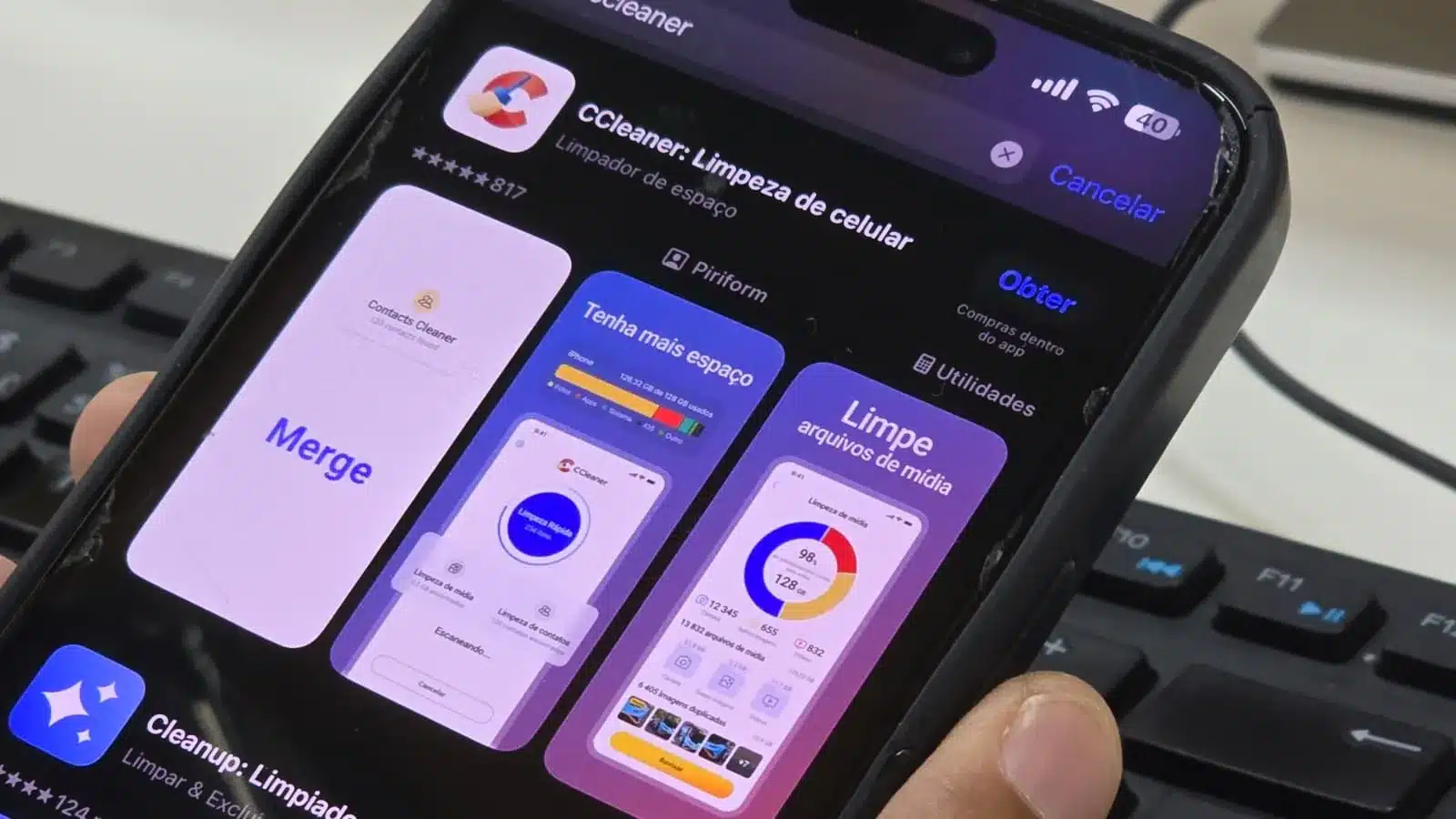
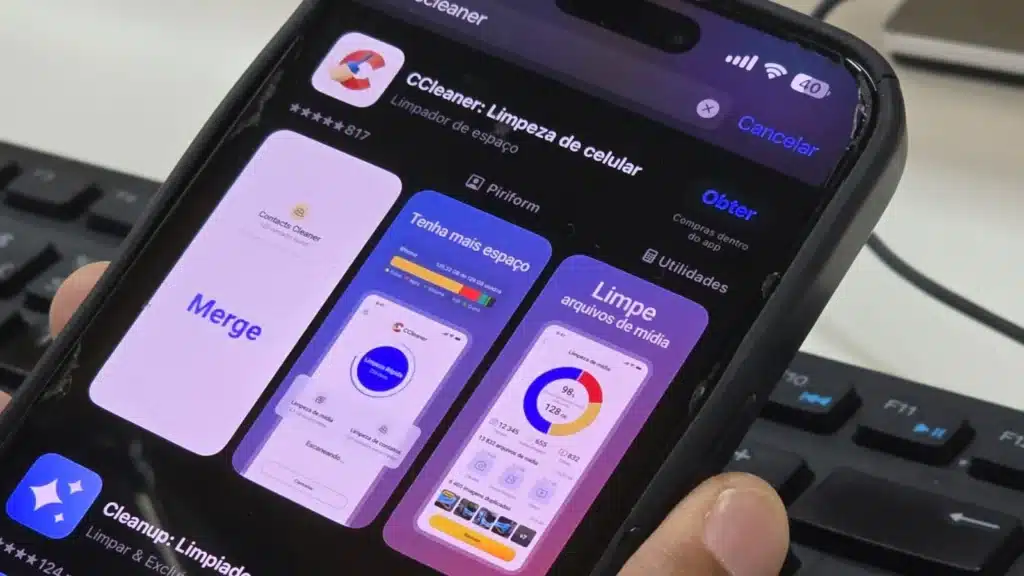
CCleaner brings its desktop cleaning prowess to mobile devices with impressive results. The app excels at clearing cache files, analyzing storage usage, and optimizing system performance. Its user-friendly interface makes it accessible for beginners while offering advanced options for power users.
The app provides real-time monitoring of your device’s health, including CPU usage, RAM consumption, and storage availability. CCleaner’s app manager helps you quickly identify and uninstall bloatware or unused applications. The free version covers essential cleaning functions, while the premium tier adds features like scheduled automatic cleaning and priority customer support.
Files by Google – Simplicity Meets Power
Files by Google stands out for its clean design and comprehensive functionality. Beyond basic file management, it offers intelligent suggestions for freeing up space based on your usage patterns. The app identifies duplicate files, old memes and screenshots you’ve probably forgotten about, and large files you might want to review.
What makes Files by Google particularly valuable is its offline file-sharing capability and built-in file browser. You get a complete storage management solution without cluttering your device with multiple apps. The “Clean” tab provides quick actions for freeing space, while the “Browse” section organizes your files intuitively by category.
SD Maid – For the Detail-Oriented User
SD Maid takes a more technical approach to cleaning, making it ideal for users who want granular control over their device. The app offers multiple cleaning modules: CorpseFinder removes files left behind by uninstalled apps, SystemCleaner targets system cache and logs, and AppCleaner addresses expendable files within applications.
The interface might seem overwhelming initially, but it provides unmatched transparency about what’s happening on your device. SD Maid also includes a duplicate file finder, database optimizer, and app freezer for temporarily disabling apps without uninstalling them. The free version offers substantial functionality, with SD Maid Pro unlocking automation and advanced features.
Norton Clean – Security-Focused Optimization
From the renowned cybersecurity company, Norton Clean combines memory cleaning with privacy protection. The app removes cache files and residual data while also identifying apps with concerning permissions or excessive data collection practices.
Norton Clean’s strength lies in its balanced approach—aggressive enough to free substantial storage but conservative enough to avoid removing anything important. The app manager provides recommendations based on app usage frequency, and the entire experience feels polished and trustworthy. It’s completely free with no ads, supported by Norton’s broader security ecosystem.
How to Safely Use Memory Cleaning Apps 🛡️
While cleaning apps are generally safe, following best practices ensures you don’t accidentally delete important data or compromise your device’s performance.
Start with Manual Review
When using any cleaning app for the first time, resist the temptation to immediately tap “Clean All.” Review what the app identifies as junk before proceeding. This helps you understand what’s being removed and prevents accidental deletion of files you might need. Most quality apps provide file previews and category breakdowns for this purpose.
Pay special attention to the “Other Files” or “Miscellaneous” categories, which often contain items the app couldn’t definitively classify. These might include important documents, work files, or downloads you intended to keep. Creating a backup before your first major cleaning session adds an extra safety layer.
Understand What Cache Really Does
Clearing cache files frees storage but comes with a tradeoff—apps will rebuild their cache as you use them, which temporarily increases data usage and loading times. This doesn’t harm your device, but understanding the dynamic helps set realistic expectations. Cache should be cleared periodically, not constantly.
Some app data shouldn’t be cleared casually. Game progress, app settings, and login information are sometimes stored in ways that cache cleaning might affect. Quality cleaning apps distinguish between safe-to-remove cache and important user data, but it’s worth knowing the difference yourself.
Avoid RAM “Boosters” and Task Killers
Many cleaning apps include RAM boosting or task killing features, but these are largely unnecessary on modern smartphones. Android and iOS manage memory efficiently on their own, and constantly killing background processes can actually reduce performance and battery life as apps repeatedly restart.
Focus on storage cleaning rather than RAM optimization. The operating system knows better than any third-party app which processes should run in the background. If your phone feels slow, addressing storage issues and reducing the number of installed apps will deliver more meaningful improvements than RAM boosters.
Beyond Apps – Manual Memory Management Strategies 💡
Regular Photo and Video Audits
Media files typically consume more storage than anything else. Establishing a monthly routine to review and organize your photos and videos prevents storage crises before they happen. Delete obvious mistakes, blurry shots, and duplicates. Consider moving older photos to cloud storage or an external device if you need local space.
Most smartphones now offer high-efficiency image formats (HEIF/HEVC) that significantly reduce file sizes without noticeable quality loss. Enabling these formats in your camera settings can cut your photo storage requirements in half moving forward.
Message and Download Folder Maintenance
Messaging apps like WhatsApp and Telegram automatically save every photo, video, and document shared in your conversations. Over time, this accumulates into gigabytes of content you’ve probably never looked at twice. Adjusting these apps’ settings to prevent automatic media downloads gives you control over what gets saved.
Your downloads folder similarly becomes a digital junkyard without regular attention. PDFs you viewed once, APK files from app installations, and random documents all pile up. Schedule quarterly cleanups where you sort through downloads, moving important files to appropriate folders and deleting the rest.
Streaming Over Storing
With reliable internet connectivity becoming more widespread, streaming content often makes more sense than downloading it. Music streaming services eliminate the need for local music libraries, while offline downloads in apps like Netflix and Spotify can be managed on-demand rather than kept permanently.
This approach requires mindfulness about data usage, but for users with adequate mobile data plans or regular Wi-Fi access, it dramatically reduces storage pressure. You maintain access to vast content libraries without dedicating precious device storage to files you’ll use once.
Platform-Specific Memory Management Tips 📲
Android Storage Optimization
Android devices offer built-in storage management tools that have improved significantly in recent versions. The Storage section in Settings provides detailed breakdowns of what’s consuming space and offers native cleaning recommendations. Many Android manufacturers also include their own optimization apps that work well with their specific hardware.
Android’s Files app (on newer versions) includes much of what third-party cleaning apps offer, with the advantage of being deeply integrated with the operating system. Before installing additional apps, explore what your Android version already provides—you might find it sufficient.
iOS Memory Management Approaches
iOS handles storage more restrictively than Android, which offers both advantages and limitations. The iPhone Storage section in Settings automatically recommends optimizations like offloading unused apps (removing the app but keeping its data) and reviewing large attachments.
Third-party cleaning apps on iOS have more limited capabilities due to Apple’s security model, but they can still help with duplicate photo detection and storage analysis. iOS users often benefit more from utilizing iCloud optimization features and the built-in storage management tools than from third-party apps.
When Cleaning Apps Aren’t Enough – Storage Upgrade Options 🔄
Sometimes, despite your best cleaning efforts, your device simply lacks adequate storage for your needs. Recognizing when to pursue alternative solutions saves frustration and improves your mobile experience.
For Android devices with expandable storage, adding a microSD card provides the most cost-effective capacity increase. These cards now offer hundreds of gigabytes at reasonable prices. Configure your device to store photos, videos, and apps on the SD card by default, reserving internal storage for the operating system and frequently-used apps.
Cloud storage services present another expansion route available to both Android and iOS users. Services like Google Drive, iCloud, OneDrive, and Dropbox offer free storage tiers with affordable upgrade options. Enabling automatic photo backup and storing large files in the cloud rather than locally can effectively multiply your available storage.
For users whose devices have truly become inadequate for their needs, upgrading to a phone with more storage might be the most practical solution. Modern smartphones increasingly offer 128GB or 256GB as standard, which comfortably accommodates most users’ needs without constant storage management.
Privacy Considerations with Cleaning Apps 🔐
Granting a cleaning app access to your device means trusting it with visibility into your files, photos, and app usage patterns. This makes privacy and security considerations paramount when choosing which app to install.
Research the app developer’s reputation and privacy policy before installation. Established companies with transparent data practices are generally safer choices than unknown developers. Check what permissions the app requests—it should only need storage access and perhaps network access for updates. Requests for contacts, location, or microphone access should raise red flags.
Read recent user reviews specifically mentioning privacy concerns or suspicious behavior. The app store ratings provide valuable crowd-sourced security feedback. Also verify that the app receives regular updates, indicating active maintenance and security patching.
Some cleaning apps include additional features like app locks or privacy scanners. While potentially useful, these expand the app’s access to your device. Consider whether you truly need these extras or if a more focused cleaning tool better serves your needs while minimizing privacy exposure.
Maximizing Long-Term Storage Health 🌱
Effective storage management isn’t about aggressive one-time cleanups—it’s about developing sustainable habits that prevent clutter accumulation. Small adjustments to how you use your device deliver lasting benefits.
Enable automatic photo backup to cloud services so you can safely delete local copies of older images. Configure apps to clear their cache automatically at intervals that balance performance and storage. Uninstall apps you haven’t used in three months—you can always reinstall them if needed.
Schedule monthly “digital maintenance” sessions where you spend 15 minutes reviewing your storage usage, cleaning obvious clutter, and running your preferred cleaning app. This proactive approach prevents the frustration of discovering you’re out of storage at the worst possible moment.
Most importantly, develop awareness of what consumes storage on your specific device. Everyone’s usage patterns differ—some accumulate messaging app media, others download excessive podcasts or collect apps they rarely use. Understanding your personal storage consumption patterns enables targeted management strategies that actually work.
Making Your Choice – Finding the Right Cleaning Solution ✅
The ideal memory cleaning approach combines the right app with smart usage habits. For most users, one of the established apps mentioned earlier—Files by Google for simplicity, CCleaner for comprehensive features, or SD Maid for advanced control—provides an excellent foundation.
Complement your chosen app with built-in system tools and manual management of your largest storage consumers. Remember that no app can magically create storage space—they simply help you identify and remove what you don’t need. The most effective “cleaning app” is ultimately your own attention to what you’re keeping on your device.
Start with the free version of any app before considering premium upgrades. Most users find that free tiers offer everything necessary for effective storage management. Premium features like automation and advanced analytics are nice additions but rarely essential.
Your smartphone is a powerful tool that deserves occasional maintenance to perform its best. With the right cleaning app and consistent storage management practices, you’ll enjoy faster performance, avoid those dreaded “Storage Full” notifications, and maintain a device that works smoothly for years to come. Take control of your phone’s memory today—your future self will thank you! 🚀
