
Anúncios
Discover Hidden Expenses in Your Smartphone

Start Saving Today
Every month, millions of smartphone users around the world lose money without even realizing it. These hidden expenses silently drain bank accounts through forgotten subscriptions, unauthorized charges, and sneaky in-app purchases that accumulate over time. The good news? Innovative apps now exist to help you identify and eliminate these invisible financial leaks.
Whether it’s that streaming service you signed up for during a free trial and forgot to cancel, or those small recurring charges that barely register on your bank statement, these invisible costs can add up to hundreds or even thousands of dollars annually. Understanding how to detect and manage these hidden expenses is becoming an essential skill in our increasingly digital economy. 💸
Anúncios
The Silent Money Drain: Understanding Invisible Mobile Expenses
Modern smartphones have transformed into sophisticated payment platforms that make spending money incredibly easy—perhaps too easy. With one-click purchases, stored payment information, and automatic renewals, it’s remarkably simple to lose track of where your money goes each month.
The psychological principle behind these invisible expenses is fascinating. Companies deliberately design pricing structures that fall below our mental “pain threshold” for spending. A $7.99 monthly charge doesn’t trigger the same emotional response as a $95.88 annual payment, even though they’re mathematically equivalent. This cognitive bias allows these expenses to fly under our financial radar indefinitely.
Anúncios
Research indicates that the average smartphone user has between 8 to 12 forgotten subscriptions actively charging their accounts. These range from streaming platforms and gaming services to productivity apps and cloud storage solutions. Each individual charge might seem insignificant—just $4.99 here or $9.99 there—but collectively, they represent a substantial financial burden.
How Specialized Apps Uncover Your Hidden Charges 🔍
The technology behind expense-tracking apps is remarkably sophisticated. These applications connect securely to your bank accounts and credit cards, then use artificial intelligence and machine learning algorithms to analyze your transaction history. They categorize spending patterns, identify recurring charges, and flag potentially unwanted subscriptions.
What makes these apps particularly powerful is their ability to recognize patterns that would be nearly impossible for humans to spot manually. They can distinguish between legitimate recurring expenses (like your mortgage or car payment) and potentially unnecessary subscriptions. The best apps even provide insights into spending trends over time, helping you understand not just what you’re spending, but how your spending habits evolve.
Key Features That Make These Apps Effective
Modern expense-tracking applications offer a comprehensive suite of features designed to give you complete financial visibility:
- Automatic subscription detection: Instantly identifies all recurring charges across your accounts
- Price tracking: Monitors when subscription costs increase and alerts you immediately
- Cancellation assistance: Provides direct links or even handles cancellation on your behalf
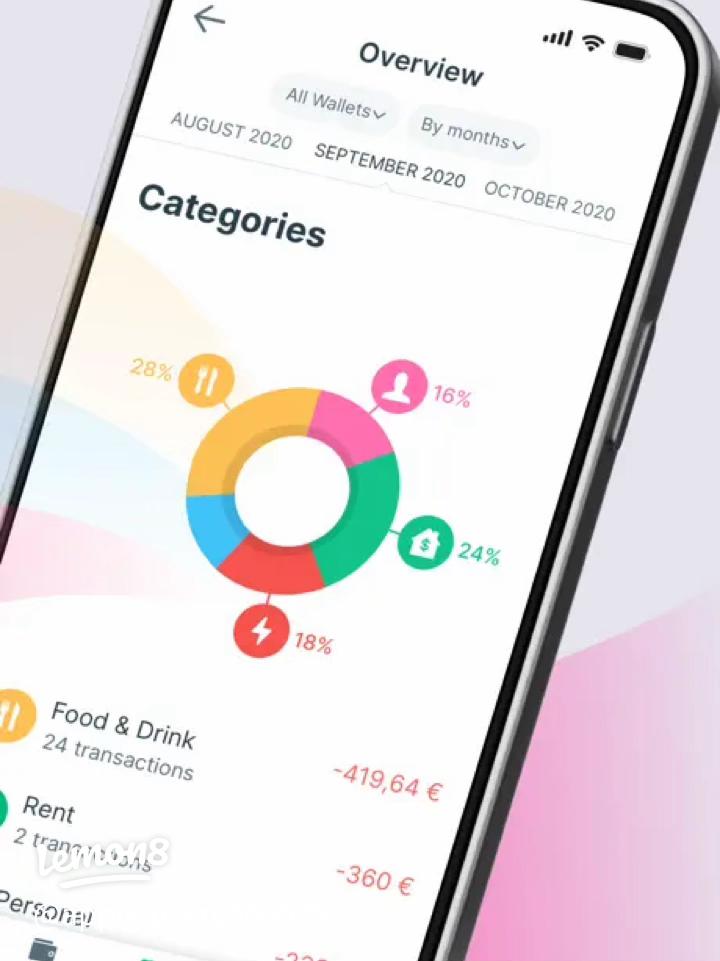
- Spending analytics: Visual dashboards showing exactly where your money goes
- Bill negotiation: Some advanced apps even negotiate lower rates with service providers
- Financial forecasting: Projects future spending based on current patterns
The Most Common Types of Invisible Phone Expenses
Understanding the categories where hidden expenses typically occur helps you know where to focus your attention. These financial leaks fall into several predictable patterns that affect virtually all smartphone users.
Forgotten Subscription Services
This category represents the largest source of invisible expenses for most people. Streaming platforms lead the pack—how many video services do you really need? Many users maintain subscriptions to Netflix, Hulu, Disney+, HBO Max, and Amazon Prime simultaneously, often watching only one or two regularly. Music streaming, audiobook platforms, and podcast services add additional layers of recurring charges.
Fitness and wellness apps represent another substantial category. That meditation app you used enthusiastically for two weeks in January? It’s probably still charging you monthly in December. Nutrition trackers, workout programs, and yoga instruction platforms all employ auto-renewal strategies that keep charging long after your initial enthusiasm fades.
In-App Purchases and Gaming Costs
Mobile gaming has evolved into a multi-billion dollar industry built primarily on microtransactions. These small purchases—extra lives, special characters, power-ups, or cosmetic items—are deliberately priced to seem inconsequential. However, gaming analytics reveal that active players can easily spend $50 to $200 monthly without conscious awareness.
Children’s accounts represent a particular vulnerability here. Many parents discover hundreds or even thousands of dollars in unauthorized purchases made by kids who don’t fully understand they’re spending real money. While platforms have improved parental controls, the default settings often favor easier purchasing rather than protection.
Premium App Features and Cloud Storage
Free apps with premium upgrade options create a steady stream of recurring charges. You might upgrade to remove ads or access additional features, then completely forget about the monthly fee. Cloud storage services like iCloud, Google Drive, and Dropbox gradually increase their charges as your storage needs grow, often without explicit notification.
Choosing the Right Expense-Tracking App for Your Needs 📱
The market offers numerous options for tracking hidden expenses, each with distinct advantages and limitations. Selecting the right tool depends on your specific financial situation, technical comfort level, and privacy preferences.
Some apps specialize exclusively in subscription management, providing deep functionality in this specific area. Others offer comprehensive financial management, incorporating expense tracking as part of broader budgeting and investment tools. Understanding these distinctions helps ensure you select the solution that best fits your requirements.
Security and Privacy Considerations
When granting an app access to your financial accounts, security becomes paramount. Reputable expense-tracking applications employ bank-level encryption and never store your actual login credentials. Instead, they use secure third-party services like Plaid or Yodlee that specialize in financial data aggregation.
Before connecting any app to your accounts, verify that it uses read-only access—meaning it can view transactions but cannot initiate payments or transfers. Check the company’s privacy policy to understand how your data is used, stored, and potentially shared. Apps that offer two-factor authentication provide an additional security layer worth prioritizing.
Real-World Impact: How Much Can You Actually Save? 💰
The financial impact of identifying and eliminating hidden expenses can be genuinely transformative. User testimonials and case studies reveal consistently impressive results across diverse demographic groups.
The average user discovers between $200 and $400 in annual savings within the first month of using expense-tracking apps. More diligent users who thoroughly review and optimize all subscriptions often find $600 to $1,200 in recoverable expenses. For families with multiple phone users, particularly those with children or teenagers, savings can exceed $2,000 annually.
Beyond immediate savings, these apps create lasting behavioral changes. Users report heightened awareness of spending patterns, more intentional subscription decisions, and improved overall financial literacy. The psychological impact of feeling in control of your finances extends well beyond the dollar amounts saved.
Success Stories from Real Users
Sarah, a marketing professional from Seattle, discovered she was paying for three different music streaming services simultaneously—a legacy of free trials she’d forgotten to cancel. She also found a gym membership charging her account 18 months after she’d stopped attending. Total recovery: $847 annually.
Marcus, a college student in Boston, realized his mobile gaming habit cost him over $90 monthly across multiple games. Seeing the aggregated total prompted him to eliminate unnecessary in-app purchases, reducing his gaming expenses to about $15 monthly for genuinely valued content.
The Chen family in Austin discovered their two teenagers had accumulated over $300 in monthly subscription costs across gaming platforms, streaming services, and social media enhancements. Implementing expense tracking and setting spending limits recovered nearly $3,000 annually while teaching valuable financial lessons.
Beyond Detection: Strategies for Prevention and Management
While identifying existing hidden expenses provides immediate value, developing systems to prevent future financial leaks creates lasting benefit. Smart expense management combines technology with intentional habits and structures.
Consider implementing a “subscription audit” calendar reminder every three months. Even with automated tracking, periodic manual reviews help you consciously evaluate whether each service continues providing proportional value. Many users find that subscriptions they actively use during certain seasons (like sports streaming during specific championships) can be paused during off-periods rather than running continuously.
Creating a Subscription Management System
Develop a centralized spreadsheet or document listing all recurring subscriptions, including the service name, cost, renewal date, and cancellation process. This manual backup provides security if your tracking app experiences technical issues and creates additional accountability through regular review.
Use virtual credit card numbers for subscription trials. Services like Privacy.com or built-in features from cards like Capital One allow you to generate unique card numbers with spending limits. Set a trial subscription to a virtual card limited to $1—when the trial ends and billing begins, the charge fails automatically, effectively canceling the service without requiring manual intervention.
Setting Spending Boundaries and Alerts
Most expense-tracking apps allow you to establish spending categories with predetermined limits. Configure alerts when you approach or exceed these thresholds. For subscription spending specifically, consider setting a household maximum—perhaps $75 or $100 monthly—that encompasses all recurring digital services.
For families with children, implement approval requirements for any purchases on devices used by minors. Both iOS and Android offer robust parental control features that require password or biometric authentication before completing transactions, preventing unauthorized charges.
The Psychology Behind Our Spending Blindness 🧠
Understanding why we develop these invisible expenses in the first place helps prevent their recurrence. Behavioral economics provides fascinating insights into the cognitive mechanisms that make recurring charges so insidious.
The “pain of paying” concept explains why subscription models have become ubiquitous. Research demonstrates that immediate, visible payments cause measurable psychological discomfort—we literally feel pain when handing over cash or watching our account balance drop. Recurring subscriptions eliminate this moment of pain by automating the transaction and distributing costs over time, making spending feel essentially painless.
Decision fatigue also plays a significant role. Canceling a subscription requires effort—finding the cancellation process, clicking through retention offers, confirming your decision. When we’re overwhelmed with daily choices, allowing a $7.99 charge to continue seems easier than investing the mental energy to cancel it. Companies deliberately exploit this inertia through complex cancellation processes that increase friction.
Taking Action: Your Step-by-Step Implementation Plan ✅
Knowledge without action creates no value. Transform these insights into tangible financial improvement through systematic implementation.
Week One: Discovery Phase
Download and configure an expense-tracking app. Grant it access to your primary checking account and credit cards used for online purchases. Allow the app several days to analyze your complete transaction history, typically requiring 90 days of data for comprehensive subscription detection.
Week Two: Analysis and Decision-Making
Review the app’s findings carefully. For each identified subscription, ask yourself three questions: Have I used this service in the past month? Does this service provide value proportional to its cost? Would I purchase this subscription again today if I didn’t already have it? If the answer to any question is no, add that subscription to your cancellation list.
Week Three: Cancellation and Optimization
Systematically cancel unwanted subscriptions. For services you value but find expensive, investigate whether annual billing offers savings compared to monthly charges. Some platforms provide significant discounts—sometimes 20% to 40%—for annual commitments. Consider downgrading premium services to basic tiers if you don’t utilize premium features.
Week Four and Beyond: Maintenance and Monitoring
Establish your ongoing review schedule. Set calendar reminders for quarterly subscription audits. Enable all available app notifications for new recurring charges or price increases. Most importantly, practice mindful subscription decisions going forward—before starting any free trial, immediately calendar its end date and set a reminder to evaluate whether you’ll continue as a paying customer.
Future Trends in Mobile Expense Management
The landscape of financial technology continues evolving rapidly. Emerging trends suggest even more sophisticated tools for managing mobile expenses will soon become available.
Artificial intelligence is advancing beyond simple pattern recognition toward predictive financial coaching. Future apps will likely anticipate upcoming expenses based on historical patterns, suggest optimal times to cancel seasonal subscriptions, and automatically negotiate better rates with service providers on your behalf.
Blockchain technology and decentralized finance may introduce new paradigms for subscription management. Smart contracts could automatically enforce spending limits, enable micro-subscriptions charged by actual usage rather than monthly fees, and create transparent marketplaces where you can easily compare service costs across providers.
Integration between expense-tracking apps and the subscription services themselves represents another frontier. Rather than operating as separate systems, imagine streaming platforms that automatically pause when your tracking app identifies underutilization, or gaming services that enforce preset spending limits without requiring external monitoring.
Reclaiming Control of Your Financial Future
The proliferation of invisible mobile expenses represents a symptom of broader changes in how we interact with money in digital spaces. As commerce becomes increasingly frictionless and abstracted from physical currency, maintaining financial awareness requires intentional effort and appropriate tools.
Expense-tracking apps provide powerful capabilities, but they’re ultimately just tools. Real financial wellness emerges from combining technology with mindful decision-making, clear priorities, and regular evaluation of how your spending aligns with your values and goals. The money you recover from hidden subscriptions represents more than just savings—it’s capital you can redirect toward experiences, goals, and purchases that genuinely enhance your life.
Start your financial discovery journey today. The subscriptions draining your account won’t cancel themselves, but with the right approach and tools, you can quickly identify and eliminate these invisible expenses. Your future self—and your bank account—will thank you for taking action now rather than allowing these hidden costs to continue accumulating month after month, year after year. 🚀

