
Anúncios
With fuel prices constantly fluctuating and environmental concerns growing, choosing a fuel-efficient vehicle has become more important than ever for smart consumers worldwide.
Top Fuel-Efficient Vehicles That Save Money
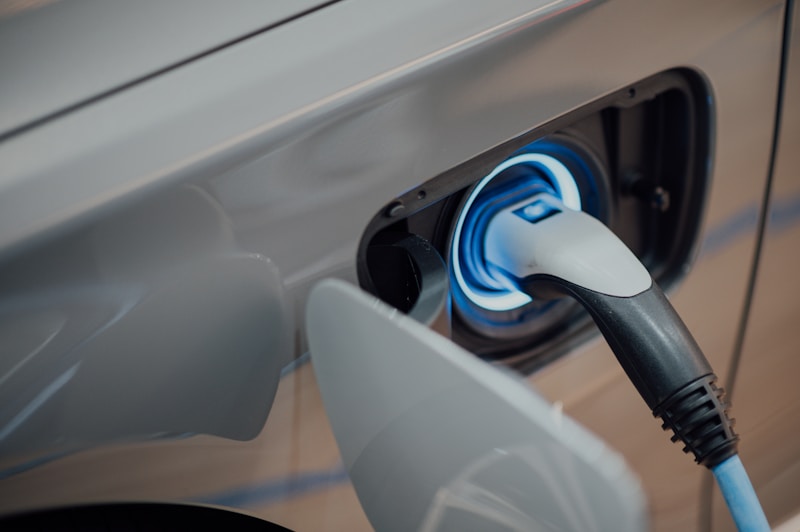
Explore Official Ratings
The automotive industry has undergone a remarkable transformation over the past decade, with manufacturers competing fiercely to create vehicles that deliver exceptional fuel economy without compromising performance or comfort. This shift reflects both consumer demand and regulatory pressures pushing toward more sustainable transportation solutions.
Anúncios
Whether you’re considering a traditional gasoline engine, hybrid technology, plug-in hybrid, or fully electric vehicle, understanding which models lead the pack in efficiency can help you make an informed decision that benefits both your wallet and the environment. Let’s explore the champions of fuel economy across different vehicle categories.
🚗 Compact Cars Leading the Efficiency Race
Compact cars have traditionally dominated fuel economy rankings due to their lightweight construction and aerodynamic designs. These vehicles prove that small doesn’t mean sacrificing quality or features—many offer surprising interior space and advanced technology packages.
Anúncios
The Honda Civic consistently ranks among the most fuel-efficient non-hybrid compact cars, achieving up to 32 city and 42 highway mpg with its efficient engine design. Its reputation for reliability combined with excellent resale value makes it a smart long-term investment for budget-conscious drivers.
Toyota Corolla remains another perennial favorite, delivering comparable efficiency ratings while offering legendary durability. The Corolla’s hybrid variant pushes efficiency even further, achieving impressive combined ratings that can exceed 50 mpg under optimal driving conditions.
Mazda3 brings a sporty driving experience to the efficiency conversation, proving that fuel economy doesn’t require sacrificing driving pleasure. Its Skyactiv technology optimizes combustion processes to extract maximum energy from every drop of fuel while maintaining responsive acceleration.
⚡ Hybrid Vehicles Redefining Efficiency Standards
Hybrid technology has matured significantly, offering seamless integration between electric motors and gasoline engines. These vehicles recover energy during braking and use electric power for low-speed driving, dramatically improving efficiency in stop-and-go traffic.
The Toyota Prius remains the benchmark for hybrid efficiency, with the latest generation achieving EPA ratings exceeding 55 mpg combined. Its distinctive design has become synonymous with environmental consciousness, and decades of refinement have created a remarkably reliable powertrain.
Honda Insight offers a more conventional sedan appearance while delivering comparable efficiency to the Prius. This makes it appealing to drivers who want hybrid benefits without the distinctive styling that announces their environmental choices to the world.
Hyundai Ioniq Hybrid represents excellent value in the hybrid segment, often matching or exceeding the Prius’s efficiency at a lower price point. Its warranty coverage provides additional peace of mind for buyers concerned about battery longevity and maintenance costs.
🔌 Plug-In Hybrids Offering Best of Both Worlds
Plug-in hybrid electric vehicles (PHEVs) combine substantial electric-only range with the flexibility of gasoline backup power. This eliminates range anxiety while allowing drivers to complete most daily commutes on electricity alone, dramatically reducing fuel consumption.
The Toyota RAV4 Prime stands out as a compelling PHEV option, offering SUV versatility with 42 miles of electric range and impressive combined fuel economy when operating in hybrid mode. Its powerful acceleration surprises many drivers expecting efficiency to mean sluggish performance.
Honda Clarity Plug-In Hybrid provides 47 miles of electric range, sufficient for many commuters to operate exclusively on electricity during weekdays while having gasoline range for weekend adventures. Its spacious interior defies the notion that efficient vehicles must be cramped.
Kia Niro Plug-In Hybrid delivers practicality with 26 miles of electric range and excellent cargo capacity. Its affordable pricing makes PHEV technology accessible to budget-conscious families seeking to reduce their carbon footprint without financial strain.
🚙 Efficient SUVs for Families and Adventurers
SUV buyers no longer need to accept poor fuel economy as the price of utility and space. Modern engineering has created SUVs that rival smaller vehicles in efficiency while maintaining the versatility families need.
Mazda CX-30 brings the brand’s Skyactiv efficiency technology to the compact SUV segment, achieving impressive ratings that compete with many sedans. Its premium interior feels more expensive than its price suggests, adding value beyond fuel savings.
Subaru Crosstrek offers standard all-wheel drive without the typical efficiency penalty, making it ideal for regions with challenging weather conditions. Its rugged capability doesn’t prevent it from achieving respectable fuel economy that keeps operating costs manageable.
Toyota Highlander Hybrid demonstrates that even three-row family haulers can achieve impressive efficiency. Its hybrid powertrain delivers combined ratings around 35 mpg—remarkable for a vehicle capable of transporting eight passengers and their cargo.
⚡ Electric Vehicles Leading the Zero-Emissions Revolution
Fully electric vehicles eliminate gasoline entirely, operating solely on battery power charged from the electrical grid. While technically not measured in miles per gallon, their energy efficiency translates to significantly lower operating costs compared to traditional vehicles.
Tesla Model 3 combines exceptional range with industry-leading efficiency, traveling over 130 miles per kilowatt-hour in optimal conditions. Its minimalist interior and over-the-air software updates keep the vehicle feeling fresh years after purchase.
Chevrolet Bolt EV offers affordable entry into electric vehicle ownership with 259 miles of range and a spacious hatchback design. Its lower price point makes electric transportation accessible to middle-class families without requiring premium budgets.
Hyundai Kona Electric delivers impressive range in a compact SUV package, proving that electric efficiency works across vehicle categories. Its conventional appearance helps mainstream buyers transition to electric power without adapting to radical design changes.
💡 Understanding Real-World Efficiency Versus EPA Ratings
EPA fuel economy estimates provide standardized comparisons, but real-world results vary significantly based on driving conditions and individual behavior. Understanding these factors helps set realistic expectations and maximize your vehicle’s efficiency potential.
Highway driving typically delivers better efficiency than city driving for conventional vehicles due to consistent speeds and minimal braking. However, hybrids and electric vehicles often perform better in urban environments where regenerative braking recovers energy otherwise lost as heat.
Weather conditions dramatically impact efficiency, particularly for electric vehicles. Cold temperatures reduce battery performance and increase energy consumption for heating, while hot weather requires power-hungry air conditioning systems that decrease range.
Driving style profoundly influences fuel economy regardless of vehicle type. Aggressive acceleration, excessive speed, and frequent braking all waste energy that smoother driving would conserve, potentially reducing efficiency by 20-30% compared to optimal techniques.
🔧 Maintenance Practices That Preserve Efficiency
Regular maintenance ensures vehicles continue delivering optimal fuel economy throughout their service life. Neglecting basic upkeep gradually degrades efficiency, costing more in additional fuel consumption than the maintenance would have required.
Tire pressure significantly affects rolling resistance and fuel consumption. Under-inflated tires can reduce efficiency by 3-5%, making monthly pressure checks a simple way to maintain optimal performance. Proper inflation also extends tire life, providing additional cost savings.
Engine air filters trap contaminants that would otherwise damage internal components, but clogged filters restrict airflow and reduce efficiency. Replacing filters at recommended intervals maintains proper air-fuel ratios that optimize combustion and power output.
Oil changes using manufacturer-specified lubricants reduce internal friction and prevent accelerated engine wear. Modern synthetic oils flow better in cold weather and maintain protective properties longer, though recommended change intervals should still be observed for maximum engine longevity.
📊 Comparing Total Cost of Ownership
Purchase price represents only one component of vehicle ownership costs. Fuel expenses, maintenance requirements, insurance premiums, depreciation, and potential tax incentives all influence the true financial impact of your vehicle choice over time.
| Vehicle Type | Average Fuel/Energy Cost (Annual) | Maintenance Cost | Depreciation Rate |
|---|---|---|---|
| Conventional Gasoline | $2,000-$2,500 | Medium | 15-20% annually |
| Hybrid | $1,200-$1,500 | Medium-Low | 12-18% annually |
| Plug-In Hybrid | $800-$1,200 | Medium | 18-25% annually |
| Electric Vehicle | $500-$800 | Low | 20-30% annually |
Electric vehicles typically cost less to operate daily but may depreciate faster due to rapidly evolving battery technology and consumer concerns about long-term battery health. However, federal and state incentives often offset this depreciation for original owners.
Insurance costs vary by vehicle type and model, with luxury electric vehicles sometimes commanding premium rates while mainstream hybrids cost similarly to conventional equivalents. Shopping multiple insurers helps identify competitive rates regardless of vehicle choice.
🌍 Environmental Impact Beyond Fuel Consumption
Fuel efficiency directly correlates with reduced emissions, but comprehensive environmental assessment requires considering manufacturing impact, electricity generation sources, and end-of-life recycling processes that extend beyond tailpipe emissions.
Manufacturing hybrid and electric vehicles requires more energy and resources than conventional cars, primarily due to battery production. However, this manufacturing deficit is typically recovered within 2-3 years of normal operation through reduced emissions during use.
Electric vehicle environmental benefits vary significantly based on regional electricity generation. Areas powered by renewable energy sources maximize emission reductions, while regions dependent on coal-fired plants diminish but don’t eliminate electric vehicles’ environmental advantages.
Battery recycling infrastructure continues developing, with manufacturers implementing take-back programs ensuring responsible handling of depleted batteries. Many components retain significant value, encouraging recycling rather than disposal while recovering rare materials for new battery production.
🎯 Choosing the Right Efficient Vehicle for Your Needs
Identifying the most fuel-efficient vehicle requires aligning efficiency priorities with practical requirements including passenger capacity, cargo needs, towing capability, and driving patterns that define how you’ll actually use the vehicle daily.
Commuters driving primarily in urban environments benefit most from hybrid or electric vehicles that excel in stop-and-go traffic. Their ability to operate electrically at low speeds and recover braking energy maximizes efficiency where conventional vehicles perform worst.
Frequent long-distance travelers might find conventional efficient vehicles or plug-in hybrids more practical than pure electrics due to charging infrastructure limitations. Highway driving reduces the efficiency advantage of electric motors while extending charging session frequency on long trips.
Families requiring three-row seating face limited hybrid options but can choose among several efficient models that maintain practicality. The efficiency gap between hybrid and conventional three-row SUVs often justifies the hybrid premium through fuel savings over typical ownership periods.
💰 Incentives and Tax Benefits for Efficient Vehicles
Federal, state, and local governments offer various incentives encouraging efficient vehicle adoption. Understanding available programs can significantly reduce effective purchase prices, making advanced technology more accessible than sticker prices suggest.
Federal tax credits up to $7,500 apply to qualifying electric and plug-in hybrid vehicles, though manufacturer sales caps phase out these benefits after reaching 200,000 eligible vehicles sold. Some manufacturers have exhausted their allocations while others still offer full credits.
State incentives vary dramatically, with California and several other states offering substantial rebates, HOV lane access, and reduced registration fees for qualifying vehicles. These state-level benefits sometimes exceed federal incentives, particularly in states prioritizing emission reductions.
Utility company incentives occasionally include discounted charging equipment installation, reduced electricity rates during off-peak charging hours, or direct rebates for electric vehicle purchases. Checking with your local utility can reveal unexpected savings opportunities.
🔮 Future Trends in Vehicle Efficiency Technology
Automotive efficiency continues advancing through improved aerodynamics, lightweight materials, more efficient powertrains, and enhanced energy recovery systems. These developments promise even greater fuel economy and reduced emissions in coming years.
Solid-state battery technology promises increased energy density, faster charging, and improved safety compared to current lithium-ion batteries. While still in development, this technology could revolutionize electric vehicles by eliminating range anxiety and reducing charging times to minutes rather than hours.
Hydrogen fuel cell vehicles represent another zero-emission pathway, offering refueling times comparable to gasoline with ranges exceeding most battery electric vehicles. However, limited hydrogen infrastructure currently restricts these vehicles to specific regions with fueling station networks.
Advanced driver assistance systems optimize efficiency by predictive route planning, adjusting speed for traffic flow, and maximizing regenerative braking opportunities. As these systems mature, they’ll help drivers achieve efficiency closer to optimal ratings regardless of individual driving habits.

🏁 Making Your Final Decision
Selecting among fuel-efficient vehicle champions requires balancing multiple factors including budget constraints, practical requirements, environmental priorities, and personal preferences that make each buyer’s ideal choice unique to their circumstances.
Test driving multiple candidates in real-world conditions provides invaluable insight beyond specifications and reviews. Pay attention to visibility, comfort, technology interfaces, and how the vehicle feels during your typical driving situations rather than idealized test routes.
Consider your realistic ownership timeline when evaluating efficiency investments. Buyers planning to keep vehicles for ten years benefit more from efficiency than those trading every three years, as fuel savings accumulate while the efficiency premium depreciates.
Don’t overlook the importance of enjoying your vehicle. The most efficient choice that leaves you dissatisfied will never feel like a good decision, regardless of fuel savings. Finding the sweet spot between efficiency, practicality, and genuine satisfaction creates the most rewarding ownership experience.
The champions of fuel efficiency continue evolving as technology advances and consumer preferences shift toward sustainable transportation. Whether you choose a frugal compact car, versatile hybrid SUV, or cutting-edge electric vehicle, today’s options deliver impressive efficiency without the compromises that once defined fuel-sipping transportation. Your wallet and the environment both benefit from choosing wisely among these efficiency leaders.
